
Hindu dream meanings
In Indian tradition, dreams (swapna) have long been read as quiet omens — some auspicious (shubh), some a gentle caution (ashubh). The lore of Swapna Shastra gathers these readings across generations. Here is a calm, respectful look at what common symbols tend to mean — always as reflection, never as certainty.
Choose a symbol below to read its meaning in Swapna Shastra and traditional belief, both the auspicious and the cautionary reading, and a quiet takeaway. Where it helps, we also link to the everyday, psychological interpretation in our main dream dictionary.





















How the tradition treats dreams
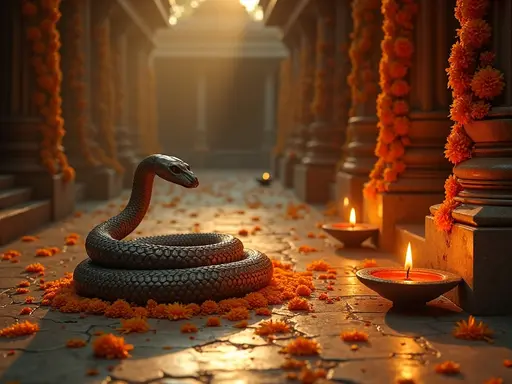
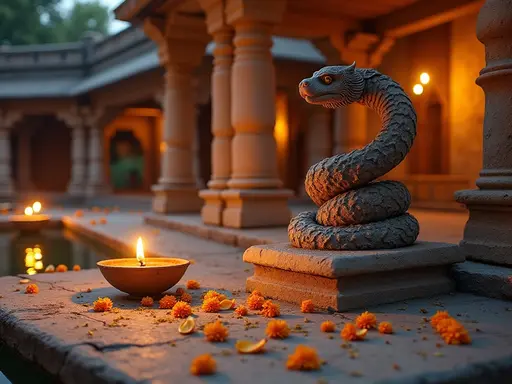
In Swapna Shastra, the time a dream is seen, the images within it, and the feeling it leaves all shape its meaning. Some images that seem unpleasant on the surface — a dead body, feces, or a snake — are often read as signs of coming wealth or blessing, while some pleasant ones carry a gentle warning. Seeing a deity, a temple, or a holy river is widely felt to be a blessing.
That is the spirit of this guide. We don't claim any single dream has one fixed meaning. Instead, we show how a symbol is read in the tradition, offer both the auspicious and the cautionary reading, and leave the reflection gently to you — with respect, as living tradition rather than doctrine.