
Hindu meaning of being naked in a dream
What Swapna Shastra and traditional belief see in being naked.
Traditional dream interpreters in India have long treated nakedness as a symbol of what is hidden or covered in daily life, whether that is a secret, a worry, or a part of yourself you rarely show others. Swapna Shastra tends to read the body itself as a stand-in for the self, so appearing without clothes often points to feeling seen, exposed, or laid bare in some part of your waking world.
In this tradition, clothing is often connected to social role, honor, and protection. So a dream of losing your clothes can be read as a message about status, reputation, or a fear of judgment. But traditional belief also holds a gentler reading: nakedness as a return to something simple and unguarded, closer to how a person comes into the world, before roles and appearances are added.
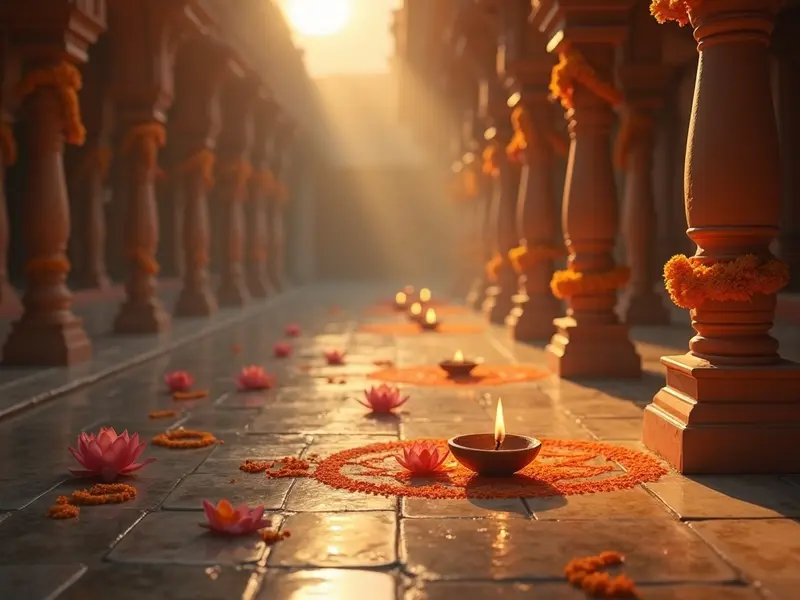
Context shapes the reading a great deal. Dreaming of being naked in a public place like a market or temple courtyard is usually read differently than being naked quietly at home. Many families say a naked dream in a sacred setting can point to standing honestly before the divine, with nothing hidden, which some read as a humbling but ultimately clean feeling rather than a frightening one.
Swapna Shastra rarely gives one fixed meaning for any image. Being naked, like dreams of falling or losing teeth, is treated as a symbol worth sitting with rather than a strict prediction. The tradition invites reflection on what in your life feels uncovered right now, more than a fear of what is to come.
In Swapna Shastra and tradition
Reads nakedness as symbolic exposure of truth, emotion, or hidden matters rather than literal shame.
Connects clothing to honor and role, so its loss in a dream is often tied to questions of reputation or vulnerability.
Some households read being naked near a temple or sacred space as a humble, honest standing before the divine.
Many traditional readers see this dream as a sign of honesty arriving, secrets easing, or a season where you no longer need to hide part of yourself. Some read it as an unburdening, a quiet blessing of simplicity, where truth is finally allowed to show itself without shame.
Others in the tradition read it as a gentle nudge about feeling exposed, judged, or unprepared in some area of life, perhaps work, family standing, or a private worry. This is not read as a warning of harm, simply an invitation to notice where you feel unguarded and to move through it with patience.
Frequently asked questions
›Is seeing being naked in a dream good or bad in Hinduism?
Swapna Shastra does not treat it as simply good or bad. It is usually read as a mixed sign, sometimes pointing to honesty and relief, other times to feeling exposed or judged. The setting of the dream and how you feel in it often shape which reading fits best.
›Does dreaming of being naked mean bad luck in Hindu tradition?
Traditional belief does not frame it as a sign of bad luck. It is more often read as symbolic of hidden truths or vulnerability coming forward. Many interpreters see it as an emotional signal about your waking life rather than a prediction of misfortune.
›What does it mean to be naked in a temple in a dream?
Some regional customs read this as standing honestly before the divine, with nothing hidden or pretended. It can feel humbling in the dream, but many traditional readers describe it as a clean, sincere feeling rather than something to fear.
›Should I worry if I keep having this dream?
Traditional dream lore treats a repeating image as an invitation to pay closer attention, not as a warning of danger. It may simply mean a part of your life still feels unresolved, and the dream keeps returning until you sit with what it is pointing to.