January birthstone
Garnet
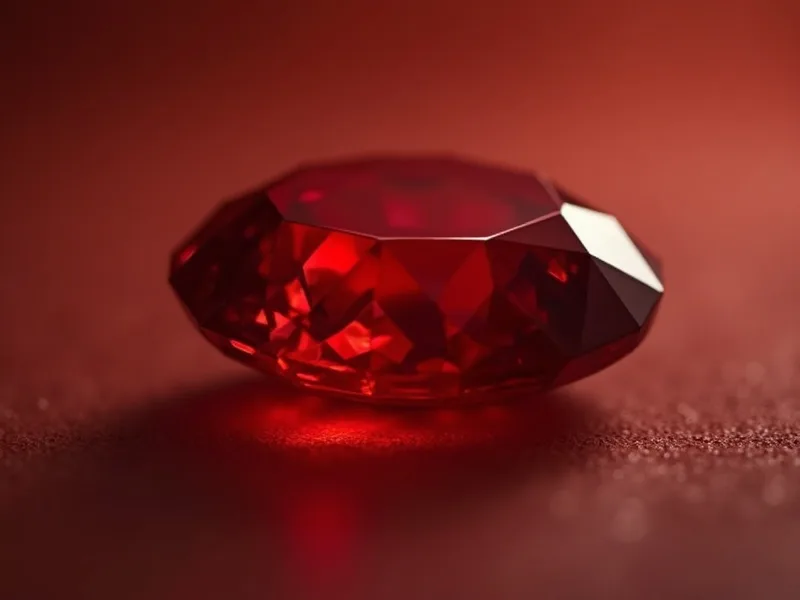
Garnet's name comes from the Latin word for pomegranate, a nod to the way its deep red crystals resemble the fruit's glistening seeds. For centuries, people have connected garnet to vitality and inner fire, wearing it as a reminder to stay grounded and energized through the darker, colder months of January.
Beyond its warm color, garnet has been linked to loyalty and trust, often exchanged between friends or given to someone leaving on a long journey. Some also associate it with self confidence and renewal, themes that feel fitting for a stone tied to the first month of the year and its sense of fresh starts.
Garnet is most recognized for its deep red to reddish brown tones, though the mineral family also includes shades of orange, green, and purple. Deep red garnet is often tied to warmth, courage, and passion, while its rarer green and orange varieties bring softer associations of growth and vitality.
Garnet suits anyone drawn to warm, grounded jewelry with a bit of history behind it. It pairs naturally with the two zodiac signs of January, Capricorn and Aquarius, both known for independence and quiet determination. The stone's deep color and steady durability make it a good match for those who value substance over flash.
Garnet jewelry dates back to Bronze Age burial sites and was widely used by ancient Egyptians as inlay and beads. Roman soldiers carried garnet signet rings, believing the stone offered protection in battle. Medieval traders and Crusaders often wore garnet for safe travel, and Bohemian garnets from what is now the Czech Republic became especially prized in Victorian era jewelry.
Garnet ranks 6.5 to 7.5 on the Mohs hardness scale, making it suitable for daily wear in rings, earrings, and bracelets. Clean it with warm water, mild soap, and a soft brush, then dry with a clean cloth. Avoid steam cleaners on included stones like demantoid garnet, and store pieces separately to prevent scratching softer gems.
Birthstones by month
Curious what else your month says about you? Read your zodiac sign or explore color meanings.
Frequently asked questions
›What is the January birthstone?
The January birthstone is garnet, a mineral group best known for its deep red color, though it also occurs in shades of orange, green, and purple. Garnet has been used in jewelry since the Bronze Age and remains a popular, affordable choice for rings and everyday pieces today.
›What does the color of garnet symbolize?
Garnet's classic deep red color has long been associated with warmth, courage, and vitality, echoing the rich tones of wine or pomegranate seeds. Its rarer green and orange varieties carry softer meanings tied to growth and renewal, giving the stone a range of symbolic depth beyond its most familiar shade.
›Is garnet a durable stone for everyday jewelry?
Yes, most garnets rank between 6.5 and 7.5 on the Mohs hardness scale, which makes them a solid choice for rings, bracelets, and other pieces worn regularly. Simple care, like avoiding harsh chemicals and cleaning with mild soap and water, helps keep garnet jewelry looking its best for years.
›Are there different colors of garnet besides red?
Garnet is actually a group of related minerals, so it comes in almost every color except true blue. You'll find orange spessartite, green tsavorite and demantoid, and deep purplish red rhodolite, each with its own subtle character while still sharing garnet's signature brilliance and durability.