
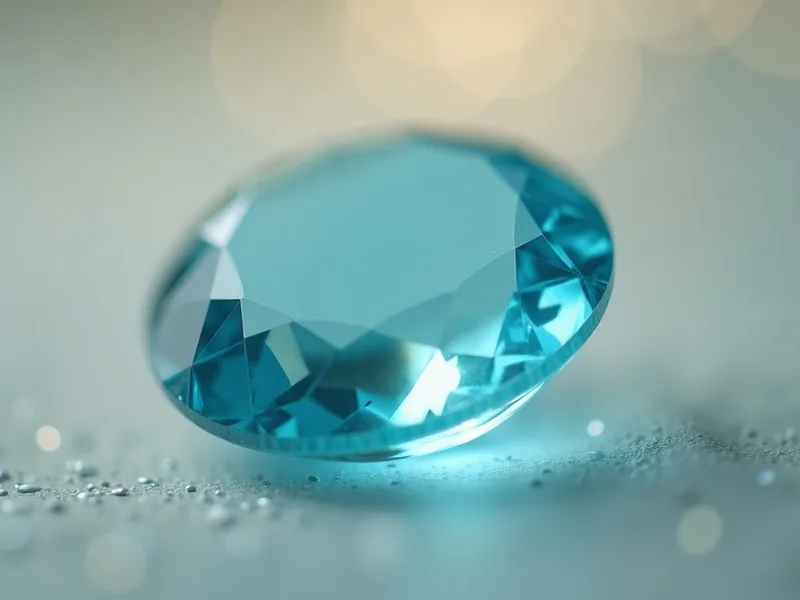
December birthstone
Turquoise, Tanzanite, Zircon
Turquoise has been prized for thousands of years as a stone of protection and well being. Ancient Egyptians, Persians, and Native American peoples all carried or wore it, often believing it guarded travelers and warriors from harm. Its opaque blue green color, unlike almost any other gem, made it easy to recognize and easy to trust as a talisman for safe passage and good health.
Beyond protection, turquoise is associated with clarity, communication, and inner peace. Many cultures linked it to the sky and water, seeing it as a bridge between earth and heaven. For December babies, it carries a quiet, steadying symbolism, less about ambition or fire and more about calm confidence and honest connection with the people and places around you.
Turquoise ranges from sky blue to blue green to a softer robin's egg shade, often threaded with dark matrix veining. Blue has long been tied to calm, trust, and open sky, while the green undertones suggest growth and renewal. That combination gives turquoise a grounded, easygoing feel rather than a flashy one, which is part of why it has stayed popular across so many centuries and cultures.
Turquoise suits people who value honesty, steadiness, and a bit of quiet adventure, which fits nicely with December's two zodiac signs. Sagittarius (November 22–December 21) is drawn to its ties to travel and protection, while Capricorn (December 22–January 19) appreciates its grounded, understated strength. It works equally well as an everyday accessory or a meaningful gift for someone who prefers substance over sparkle.
Turquoise takes its name from the French for Turkish, since early stones reached Europe through Turkish trade routes, though the material actually came from Persia. Ancient Egyptians set it in jewelry for pharaohs, while Persian and Native American cultures, including the Navajo and Pueblo peoples, used it in ceremonial and protective adornment. Its long, cross cultural history as a guardian stone made it a natural fit as one of December's official birthstones.
Turquoise is relatively soft, ranking about 5 to 6 on the Mohs hardness scale, and it's porous, so it can absorb oils, lotions, and perfume over time, which may dull its color. Clean it gently with a soft, dry or slightly damp cloth, never with ultrasonic cleaners or harsh chemicals. Store it away from other jewelry to prevent scratches, and put it on after applying makeup or cologne, not before.
Birthstones by month
Curious what else your month says about you? Read your zodiac sign or explore color meanings.
Frequently asked questions
›What is the December birthstone?
December actually has three official birthstones: turquoise, tanzanite, and zircon. Turquoise is the most traditional and widely recognized, with a history stretching back thousands of years, while tanzanite and zircon were added later to give buyers more modern options at different price points and colors.
›What color is the December birthstone?
Turquoise, the primary December birthstone, is opaque and ranges from sky blue to blue green, often with darker matrix veining running through it. Tanzanite is typically a rich violet blue, and zircon spans blue, colorless, and warm gold tones, so December offers more color variety than most other birth months.
›What does turquoise symbolize?
Turquoise has long been associated with protection, good fortune, and calm, particularly for travelers. Ancient Egyptian, Persian, and Native American cultures all linked it to safety and well being. Today it's often given as a meaningful gift symbolizing steady support, honest communication, and a peaceful, grounded outlook.
›Is turquoise a durable stone for everyday jewelry?
Turquoise is softer than many gemstones, around 5 to 6 on the Mohs scale, and porous, so it needs gentler care than harder stones like sapphire. It can still be worn often, but it's best in settings that protect it from knocks, and it should be kept away from chemicals, heat, and prolonged water exposure.