February birthstone
Amethyst
Amethyst has carried a reputation for clear thinking and steady emotions for thousands of years. Its name comes from the Greek word amethystos, meaning 'not intoxicated,' tied to old beliefs that the stone kept its wearer level headed. That association with calm focus still shapes how people talk about the gem today, even as a personal, non medical kind of symbolism.
Beyond sobriety and clarity, amethyst is often linked to peace of mind, honesty, and a quiet sort of confidence. Its deep purple tone has historically connected it to royalty and spiritual reflection, giving it a dual identity: both grounded and a little regal. For many February babies, it feels like a stone that matches steady, thoughtful personalities.
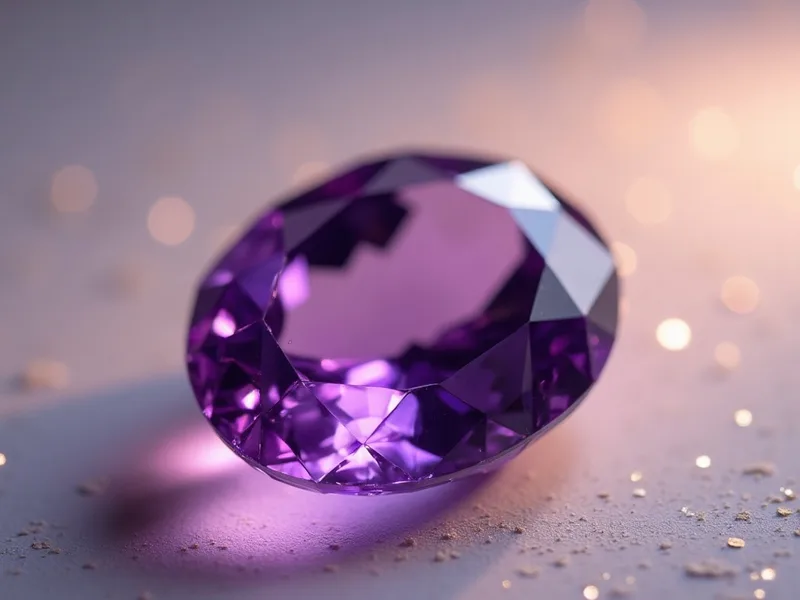
Amethyst ranges from pale lilac to deep, saturated violet, sometimes with reddish flashes depending on the light. Purple has long been tied to royalty, wisdom, and spiritual reflection, since the dye was once rare and costly. That history gives the stone a dignified feel, while its softer lavender shades read as calm and approachable rather than showy.
Amethyst suits people who value calm confidence and a bit of quiet depth, making it a natural fit for February's two zodiac signs, Aquarius and Pisces. Aquarians often appreciate its independent, thoughtful character, while Pisces are drawn to its reflective, dreamy quality. Really, though, anyone who loves rich purple tones will find it easy to wear daily.
Amethyst has been valued since ancient Egypt, where it was carved into amulets and jewelry for royalty, and by the Greeks and Romans, who linked it to Bacchus and believed it warded off intoxication. Medieval European clergy wore amethyst rings as a symbol of piety and sobriety. For centuries it ranked among the cardinal gems alongside diamond and sapphire, until large deposits were found in Brazil, making it more widely available.
Amethyst rates 7 on the Mohs hardness scale, so it holds up well to daily wear but can still scratch softer materials or be scratched by harder gems like sapphire. Clean it with warm water, mild soap, and a soft brush. Avoid prolonged sun exposure, which can fade its color over time, and store pieces separately to prevent surface scratches.
Birthstones by month
Curious what else your month says about you? Read your zodiac sign or explore color meanings.
Frequently asked questions
›What is the February birthstone?
The February birthstone is amethyst, a purple form of quartz. It's the only widely recognized birthstone for the month, valued for its rich violet color and long history in jewelry, from ancient amulets to modern rings, earrings, and pendants worn simply for their beauty and meaning.
›What does the color of amethyst symbolize?
Amethyst's purple color is often associated with calm, clarity, and a touch of dignity, since purple dye was historically rare and linked to royalty. Lighter lavender shades tend to feel soft and approachable, while deeper violet tones carry a more serious, reflective quality.
›Is amethyst a durable stone for everyday jewelry?
Yes, amethyst measures 7 on the Mohs hardness scale, making it durable enough for rings, bracelets, and earrings worn regularly. It's still wise to remove it before heavy manual work or contact with harsh chemicals, and to store it away from harder gemstones that could cause scratches.
›Are there other birthstones for February besides amethyst?
No, amethyst is the sole traditional and modern birthstone assigned to February in the United States. Unlike some months with alternate stones, February has kept a single, consistent birthstone for generations, making amethyst the clear and uncontested choice for the month.