
Dreaming You Met a Superhero or a Celebrity? What It Means as Comic-Con Fever Hits San Diego
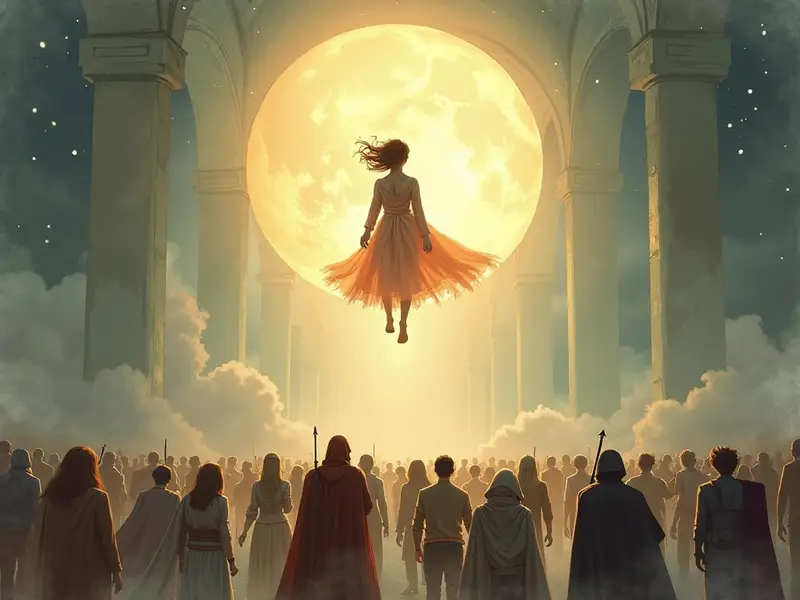
You are standing in a crowd, and suddenly Spider-Man is looking right at you, or an actor from your favorite show is smiling like an old friend. With San Diego about to fill with capes and cosplay again, it is a good week to ask what these vivid, star-studded dreams are telling us.
Comic-Con Season and the Dreaming Brain
Every summer, San Diego turns into a four-day fantasy made real, and 2026 is no exception. Comic-Con returns to the San Diego Convention Center from July 23 to 26, 2026. The programming this year leans hard into exactly the kind of imagery that tends to follow people home into their sleep. Marvel is returning to Hall H ahead of the release of Avengers: Doomsday, and the halls will be packed with costumed fans, screen legends, and panel after panel of superheroes, wizards, and starship crews.
It makes sense that this kind of immersion would echo in dreams. Sleep researchers have spent years studying how what we watch before bed shapes what we dream about, and the pattern is real, even if it is not dramatic. A recent scoping review of experimental studies found that engaging with moving visual media has a modest yet varied effect on dream content, with stimulus-related imagery showing up in anywhere from about 3 percent to 43 percent of REM dream reports depending on the study. A weekend soaked in trailers, panels, and costumed crowds gives your sleeping mind fresh material to work with.
This is simply how dreaming tends to work in general. Our sleeping brain often replays and remixes whatever felt emotionally loud during the day, whether that is a stressful meeting, a long drive, or four days spent shoulder to shoulder with strangers dressed as your favorite characters. Comic-Con week just turns the volume up on a process that happens every night anyway.
That Celebrity in Your Dream Might Be a Mirror
If your dream co-star was a real actor, musician, or on-screen personality rather than a fictional hero, there is a well-studied psychological idea that fits neatly here: the parasocial relationship. Psychologists Donald Horton and R. Richard Wohl coined the term in 1956, noting that television viewers developed an illusion of intimacy with the people they watched on screen. Decades later, that same warm, one-sided familiarity still shapes how we relate to the celebrities and characters we follow closely, and it does not switch off when we fall asleep.
What matters most for dream interpretation is that these feelings are not make-believe just because the relationship is one-directional. Although parasocial relationships are inherently imaginary, they can feel real for the person experiencing them, and an individual may project onto a celebrity a range of emotions that mirror their own feelings and challenges. The celebrity in your dream may be standing in for something closer to home: a quality you admire, a version of confidence you wish you had, or a feeling you have not fully worked through in waking life.
This is also why the emotional tone of the dream tends to matter more than the famous face itself. A dream where a celebrity notices you, praises you, or simply spends time with you often has less to do with that actual person and more to do with a wish to be seen, valued, or understood. Fandom researchers have noted that people are drawn to parasocial bonds partly because they expand the social network in a way that negates the chance of rejection and lets people identify with figures they admire without risk. A dream can be an extension of that same comfort, a safe rehearsal space where connection comes easily.
Flying, Super Strength, and the Dream of Having Powers
Few dream images feel as thrilling as the moment you realize you can fly, lift a car, or dodge bullets in slow motion. These superpower dreams have been studied and theorized about for over a century, and the explanations layer nicely on top of each other rather than contradicting one another. Sigmund Freud famously interpreted flying dreams as an expression of the longing for power and recognition, a wish fulfillment to rise above life's constraints, while Carl Jung took a more spiritual view, seeing flight as the psyche's attempt to gain a broader perspective on life's problems.
There is also a physical piece to the puzzle that has nothing to do with symbolism at all. Research published in the Journal of Sleep Research links the sensation of flying to the vestibular system, since during REM sleep the body's balance centers can still fire even while the body itself is paralyzed, producing a vivid feeling of weightlessness. Part of why flying dreams feel so real and so good is simply biology doing its nightly work in the inner ear, not just imagination.
Put those two ideas together during Comic-Con week and the picture gets even more colorful. If you have spent days watching costumed heroes leap across a convention floor or a movie screen, your brain has plenty of fresh flight and power imagery to borrow. A dream where you suddenly have strength, speed, or the ability to soar rarely needs a dramatic explanation. More often it reflects a simple, human wish to feel capable, unstoppable, or unburdened for a little while.
The Dream of Being Famous and Finally Seen
A close cousin to the superhero dream is the one where you are the star. Maybe fans are cheering for you, or a crowd recognizes your face the way they would recognize a favorite actor's. These dreams tap into something very old in human wishing: the desire to matter, to be noticed, and to have your presence acknowledged by more than just the people closest to you.
Fame dreams often surface during periods when someone feels a little invisible in daily life, whether that is at work, at school, or within a big family. The dream offers a quiet correction, a night where attention flows toward you instead of past you. This does not mean the dreamer secretly craves red carpets and paparazzi. More often it is a stand-in for wanting appreciation for effort that has gone unnoticed, or wanting a bigger audience for a part of yourself that usually stays quiet.
Comic-Con adds an extra layer here because so much of the event is built around being seen. Cosplayers spend months building costumes specifically so strangers will stop, admire, and photograph them. A dream of being famous during convention season may simply be borrowing that very real, public experience of costumed strangers becoming the center of attention for an afternoon, and letting the dreamer try that spotlight on for size.
Masks, Cosplay, and the Alter Ego Your Mind Tries On
Masks and costumes are some of the oldest symbols in dream language, and Comic-Con turns that symbolism into a literal, walking reality for four days. When a dream features a mask, a secret identity, or a costume that transforms the dreamer into someone else, it often points toward parts of the personality that do not get much daylight. The mask does not hide the true self so much as it gives that self permission to come forward.
This lines up with why alter egos like Batman or Spider-Man resonate so widely in the first place. The ordinary person underneath the costume, whether shy, awkward, or simply unremarkable, is not erased by the mask. Instead the disguise allows a braver or more powerful version of that same person to step out. Dreaming of wearing a costume or adopting a hero's identity can reflect a similar quiet negotiation, a private rehearsal of courage, confidence, or a trait the dreamer wants to grow into.
There is also a communal layer worth noting, since costumes at events like Comic-Con are rarely worn in isolation. Researchers who study fan identity have observed that some people perceive the personas they admire as helping to shape their own sense of identity. Wearing a costume, whether while awake at a convention or while asleep in a dream, can be a gentle way of trying on a value or strength the dreamer admires, long enough to see how it fits.
A Few Words on Reading Your Own Dream
None of this means a dream about Wonder Woman or your favorite actor needs to be decoded like a puzzle with one correct answer. Dreams tend to work more like collages than messages, pulling together the week's images, feelings, and wishes into something new each night. During a week as visually loud as Comic-Con, it is only natural for that collage to include a few costumes and famous faces.
What tends to be more useful than chasing a single fixed meaning is noticing the feeling the dream left behind. Did meeting the hero or celebrity feel warm and reassuring, or oddly distant and unreachable? Did flying feel joyful or a little frightening? Those emotional textures usually say more about what is going on in waking life than the specific character does.
If Comic-Con week leaves you with a string of unusually vivid dreams, that is a fairly gentle and expected side effect of a few days spent surrounded by heroes, disguises, and larger than life stories. It might simply be your sleeping mind's way of joining the celebration a little longer, letting you keep one foot in that world of capes and crowds even after the convention floor empties out for the night.
See also in the dictionary
Frequently asked questions
›Does watching superhero movies before bed cause superhero dreams?
It can nudge things in that direction. Research on pre-sleep media exposure shows a modest but real link between what we watch and what shows up in dreams, so a Comic-Con binge can leave traces in your sleep that night.
›What does it mean to dream about a celebrity you don't personally know?
These dreams often relate to parasocial feelings, a real one-sided sense of closeness people form with public figures. The celebrity may represent a quality, emotion, or wish the dreamer relates to more than the actual person.
›Why do flying dreams feel so real?
Part of it is psychological wish fulfillment, and part of it is physical. During REM sleep the vestibular system in the inner ear can still be active even though the body is paralyzed, which can produce a convincing sensation of weightless flight.
›Is dreaming about being famous a sign of vanity?
Not at all. Fame dreams usually reflect an ordinary wish to feel noticed or appreciated, especially during stretches when someone feels a bit overlooked in daily life, rather than any negative trait.
›What does wearing a costume or mask in a dream symbolize?
Masks and costumes in dreams often point to a part of your personality that wants more room to express itself, like courage or confidence. The disguise can feel like permission to let that side step forward, awake or asleep.