
Dreaming of Shooting Stars? What It Means as the Perseid Meteor Shower Begins
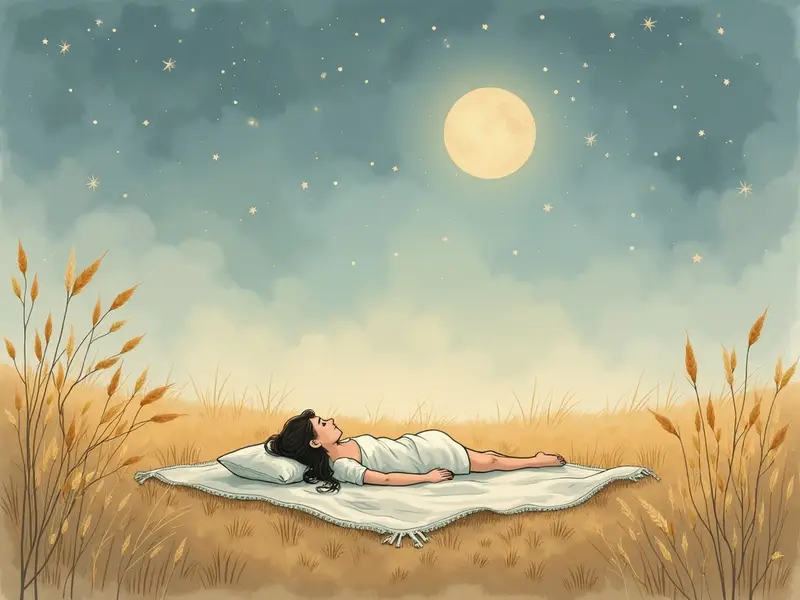
You wake up still holding the feeling of it: a bright line of light tearing across a dark dream-sky, and somewhere in your chest, a wish. It turns out real shooting stars are about to fill actual skies too, and the timing might be shaping what you dream.
The Sky Is Already Waking Up: Perseids Begin July 17
If you have been dreaming of streaks of light lately, there is a fitting reason to look up. The Perseid meteor shower, one of the most reliable and beloved sky shows of the year, becomes active on July 17, 2026, and will keep going through late August. It builds slowly at first, just a meteor or two an hour, then picks up steam as the weeks pass.
The Perseids come from dust and debris left behind by comet Swift-Tuttle, and every summer Earth passes directly through that trail. As In 2026 the Perseid meteor shower is active between 17 July and 24 August, with the number of meteors increasing every night until it reaches a peak in mid-August, after which it will tail off. That peak lands around August 12 and 13.
This year has an extra bit of luck built in. The moon will be a new moon during 2026's peak of the Perseid meteor shower. So you'll have dark skies for meteor viewing. No wash of moonlight competing with the meteors means more of them will actually be visible, even from suburban backyards.
It makes sense that shooting stars would start showing up in dreams right around now. Local news, weather apps, and star-watching friends are all mentioning the Perseids, and that kind of cultural buzz has a way of slipping into our sleeping minds even before we have watched a single meteor ourselves.
What a Shooting Star Really Means in a Dream
Across most dream traditions, a shooting star carries an unusually gentle and hopeful message. It rarely shows up as a warning. Instead, dream dictionaries and psychology-minded writers tend to agree that shooting stars are often associated with wishes, hopes, and dreams coming true.
Part of that meaning comes straight from the psychology of wishing itself. From a psychological standpoint, shooting stars in dreams can represent desires and aspirations, just as we wish upon a shooting star, these dreams may reflect your deepest desires and what you truly want in life. The dream is not necessarily predicting anything. It is more likely holding up a mirror to something you already want, but may not have said out loud yet.
There is also a quieter theme running underneath the hope: impermanence. A shooting star burns bright for a second and then it is gone, and that fleeting quality shows up in how people describe these dreams too. Many interpreters note that the image reminds the dreamer to notice good moments while they last, rather than waiting for something more permanent before feeling satisfied.
If your dream included an actual wish, it is worth sitting with what you wished for, or what your gut says you would have wished for if you cannot remember the exact words. That detail tends to be the clearest clue to what your mind is quietly working through.
Falling Stars, Souls, and New Beginnings: Folklore from Around the World
Long before anyone understood the astronomy, cultures around the world were already telling stories about these bright, brief lights, and the range of meaning is remarkable. According to folklore records referenced by Farmers' Almanac, the wishing tradition appears in remarkably similar form across at least 6 unrelated cultures.
The ancient Greek astronomer Ptolemy offered one of the earliest explanations still repeated today: the gods sometimes opened the heavens to peek down, and a shooting star was the trail of their gaze. A wish made then would be heard. Roman tradition leaned toward something more tender, viewing these lights as souls of the dead returning to earth or descending to the afterlife.
Other traditions add their own layers. Native American traditions across multiple nations read meteors as ancestors traveling, hunters in the sky, or warnings of significant events, while East Asian traditions read meteors as messengers from heaven, with the wish needing to be made before the trail fades, and Celtic folklore saw meteors as souls newly departed or about to be born. The familiar habit of making a wish upon a star, the one most Americans grew up with, actually settled into its modern shape fairly recently: the modern “make a wish” tradition consolidated in 18th to 19th century English-speaking nurseries.
None of these stories cancel each other out. As the Almanac piece puts it plainly, the different readings of a shooting star, whether wish, omen, remembrance, or simple pause to look up, mean an opportunity to make a wish, mark a moment, honor a passing soul, or pause and look up, and all those readings can be true at once. A dream about a shooting star can hold more than one of these meanings for you too.
Why Late-Night Sky-Watching Can Stir Up Vivid Dreams
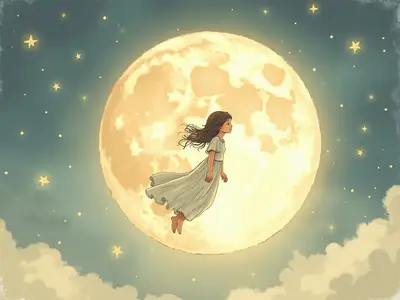
There is a real, physical reason meteor shower season tends to coincide with more vivid, memorable dreams, and it has nothing to do with magic. It comes down to sleep architecture. Most dreaming, especially the strange, cinematic kind people remember clearly, happens during REM sleep, and the majority of REM sleep tends to occur once people have been asleep for a while, meaning it may not occur as often for people with a disrupted sleep schedule.
Staying up late to watch meteors, then catching up on sleep the following night, can set the stage for something sleep researchers call REM rebound. REM rebound often occurs after stress or sleep deprivation, and it happens in both humans and animals. In plain terms, if you cut your sleep short one night, your brain tends to make up for it with a longer, more intense stretch of REM the next chance it gets.
That rebound period is exactly when dreams tend to feel unusually sharp and immersive. It is not something to worry about after one late night outside with a blanket and a thermos of coffee. It is simply your sleep cycle balancing itself back out, and it happens to line up nicely with a summer full of reasons to stay up past bedtime.
So if you spend a Perseid night outside craning your neck at the sky, then finally crawl into bed a little later than usual, do not be surprised if that night or the next brings an especially memorable dream. Your brain may simply be catching up on the dream time it postponed while you were busy watching the real thing.
A Whole Summer of Sky Wonders: Perseids Meet the Eclipse
This year the sky calendar is especially generous. Just as the Perseids reach their peak, the world gets a rare bonus: a total solar eclipse on August 12, 2026. On Aug. 12, 2026, a total solar eclipse will sweep across Greenland, Iceland, northern Russia, the Atlantic Ocean, Spain, and a small corner of Portugal.
For most people in the United States, this particular eclipse will only be partial, and only visible from a slice of the country. Many other places in the Northern Hemisphere will experience a partial solar eclipse that day, including parts of the northern U.S. (from Alaska to North Carolina), most of Canada, much of Europe, and northwestern Africa. Even a partial eclipse is a striking thing to witness, with the sun taking on a strange bitten shape for a little while.
What makes this pairing feel extra special is that the same new moon behind the eclipse is also the reason Perseid viewing conditions are so favorable this year, since there is no moonlight to interfere with the meteors. Some lucky observers near the path of totality might even catch a Perseid or two during the darkness of totality itself, a genuinely rare double sighting.
Between the Perseids stretching from mid-July into late August and an eclipse crossing headlines in the middle of it all, 2026 is shaping up to be a season where more people than usual are looking up. That shared attention, spread across news feeds, family conversations, and actual backyard star parties, is likely part of why shooting star dreams feel so timely right now.
Making Sense of Your Own Shooting-Star Dream
If a shooting star crossed your dream recently, the most useful thing you can do is notice the feeling that came with it rather than searching for one fixed meaning. Did it feel exciting, calming, sad, or urgent? That emotional tone usually says more about what your mind is processing than the symbol alone.
It also helps to think about what else was happening in the dream. A wish made clearly and remembered afterward often points to something specific you are hoping for in waking life, whether that is a change at work, a shift in a relationship, or simply permission to want something for yourself. A shooting star with no wish attached, just a bright streak passing by, can still carry a gentle nudge toward noticing a chance you might otherwise let slide past.
Keeping a small notebook by the bed this time of year is an easy way to catch these details before they fade, the same way the star itself fades. Even a line or two, written the moment you wake, can be enough to spot patterns over the coming weeks as the actual meteor shower builds toward its mid-August peak.
Whether you take your dream as a hopeful sign, a quiet reminder to slow down and look up, or simply a pleasant echo of a summer spent watching the real sky, there is something fitting about dreaming of falling stars right as the Perseids begin their slow climb toward their brightest nights.
See also in the dictionary
Frequently asked questions
›What does it mean when you dream about a shooting star?
Most dream traditions treat a shooting star as a hopeful symbol tied to wishes, sudden opportunities, or a desire for change. It is generally read as a positive sign, especially if you remember making a wish during the dream, and it often reflects something you already want in waking life.
›When does the Perseid meteor shower start in 2026?
The Perseids become active on July 17, 2026 and continue through late August, with the number of visible meteors gradually increasing each night until the peak, expected around August 12 to 13.
›Why do I have more vivid dreams during meteor shower season?
Staying up late to watch meteors, then sleeping in or catching up the next night, can trigger REM rebound, a natural process where the brain compensates for lost sleep with longer, more intense REM periods, which tend to produce especially vivid or memorable dreams.
›Is there a connection between the Perseids and the 2026 solar eclipse?
Yes. The total solar eclipse on August 12, 2026 falls on the same new moon that gives this year's Perseid peak such dark, favorable viewing skies, making it a rare stretch where two major sky events overlap closely.
›Do shooting stars mean the same thing in every culture?
No, meanings vary widely. Some traditions see them as wishes waiting to be granted, others as departed souls or messages from beyond, and some as signs of upcoming change. Many people find that more than one of these meanings can feel true at once.
- Perseid meteor shower 2026: All you need to know - EarthSky
- Perseid meteor shower 2026: When and where to see it - Royal Museums Greenwich
- REM Rebound: Causes and Effects - Sleep Foundation
- Shooting Stars and Good Luck - Farmers' Almanac
- Total Solar Eclipse on August 12, 2026 - NASA Science
- Dream Meaning of Shooting Stars - Dream Meaning Dictionary