
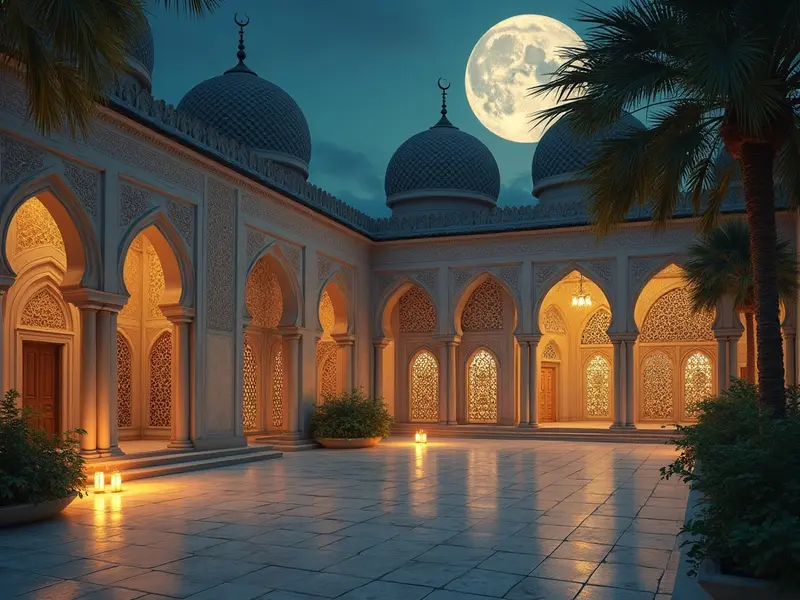
Islamic meaning of wedding in a dream
How the classical tradition of Ibn Sirin reads a wedding.
A wedding is one of those dream images that classical interpreters returned to again and again, because it carries such a strong feeling of transition. In the tradition associated with Ibn Sirin, a wedding often signals a shift from one state to another; a change that can be joyful, like relief after worry, or simply a marker that something in the dreamer's life is about to turn a page.
An-Nabulsi and later scholars in this tradition often looked closely at the small details: who was getting married, whether the mood was festive or somber, whether there was music, food, or gathering of family. A bright, joyful wedding scene was generally seen as good news, a sign of ease, honor, or a happy resolution to something the dreamer had been carrying.
At the same time, this same tradition sometimes read a wedding as touching on the theme of death or a passing, especially if the dream felt heavy, mismatched, or strange in tone. This isn't meant to frighten anyone; in the classical view, dreams operate on layers of symbolism, and a wedding's link to 'a change of condition' can simply mean the end of one chapter and the start of another, spoken of gently rather than as a warning.
Good dreams, in the wider Islamic understanding, are considered a gift and a source of glad tidings, echoing the way the Prophet Yusuf's dream carried meaning that unfolded gradually and with grace. A wedding dream, read this way, invites reflection rather than alarm.
In the classical tradition
Read a wedding chiefly as a sign of transition, a change of state that could bring joy, honor, or relief depending on the dream's mood.
Paid close attention to the details of the celebration, seeing a joyful, radiant wedding as a sign of good news and ease ahead.
Held that dreams of celebration and gathering often point to a shift already underway in the dreamer's waking life, more than a fixed prediction.
Many in this tradition see a wedding dream as gentle good news: a season of relief, honor, or happiness arriving after a period of waiting. It can reflect a matter coming together, a relationship deepening, or simply the dreamer's heart sensing that better days are near.
Because a wedding also symbolizes major change, some classical readings connect it to news of a passing or a significant shift, especially if the dream feels somber. This isn't meant as a prediction to fear; it's simply one thread in a layered tradition, and context always matters more than the image alone.
Looking for the everyday, psychological read too? See the general dream meaning of a wedding →
Frequently asked questions
›What does a wedding mean in a dream in Islam?
In the classical tradition, a wedding often represents a change of state, something ending and something new beginning. Depending on the dream's mood and details, interpreters like Ibn Sirin and An-Nabulsi read this as anything from joyful news to a more solemn shift, always shaped by the dream's specific feeling and imagery.
›Is dreaming of a wedding a good sign in Islam?
It can be. A joyful, warm wedding scene is generally seen in the tradition as a sign of relief, honor, or happy news arriving. The overall feeling of the dream, along with who and what appeared in it, matters a great deal to how it's understood.
›Can a wedding dream be about death in Islamic dream interpretation?
Some classical interpreters linked weddings to the idea of a major life transition, which occasionally included a passing. This connection is gentle and symbolic rather than a firm prediction, and most readings depend heavily on the dream's tone and specific details.
›Does the person getting married in the dream matter?
Yes, very much so. Classical interpreters often looked at whether the dreamer, a loved one, or a stranger was marrying, since each carried a different shade of meaning, from personal change to news touching someone close to the dreamer.