
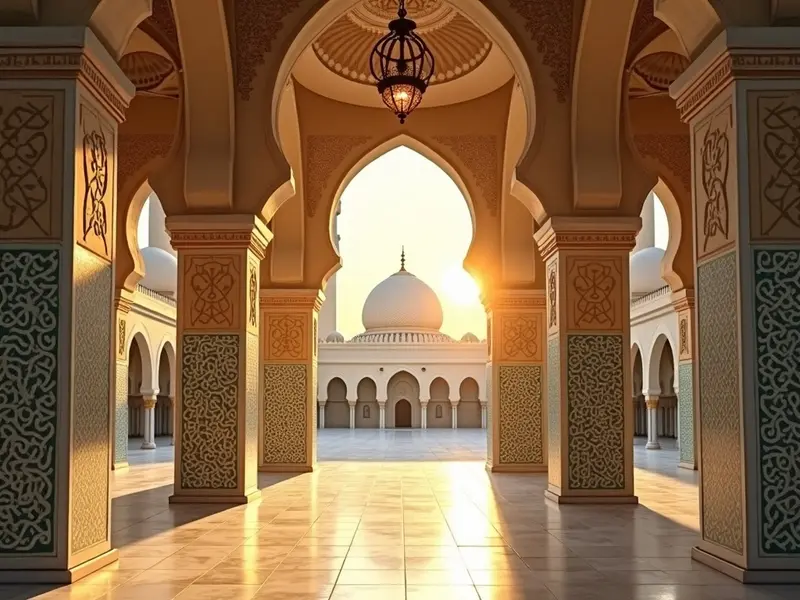
Islamic meaning of the kaaba in a dream
How the classical tradition of Ibn Sirin reads the Kaaba.
Across the classical tradition, the Kaaba tends to be read as a symbol of the sacred center itself: the point people turn toward in prayer, and by extension a symbol of guidance, safety, and closeness to God. Because of this, many interpreters have treated dreams of the Kaaba as belonging to the category of good dreams, which the tradition describes as a kind of gift.
Ibn Sirin is often cited as linking the Kaaba to protection and to a person's standing before God, sometimes tying it to safety from harm, forgiveness of past wrongs, or a journey toward something upright and meaningful. An-Nabulsi, writing later in the same tradition, is remembered for paying close attention to the dreamer's action: circling the Kaaba, touching it, entering it, or simply gazing at it from a distance have each been read a little differently, often as different degrees of nearness to guidance or resolution.
Some in the tradition have also connected dreaming of sacred places with the idea of sincere intention and repentance, since turning toward the Kaaba in life is itself an act of turning the heart toward God. A dream of it, in that reading, can feel like an inward echo of that same turning.
None of this is treated as a fixed rule. The same image can sit differently in a life that feels anxious versus a life that feels settled, and classical scholars themselves were careful to weigh the dreamer's own circumstances before offering any single meaning.
In the classical tradition
Often associated the Kaaba with guidance, protection, and a return toward what is right or sacred in the dreamer's life.
Paid close attention to the dreamer's action toward the Kaaba, reading circling, entering, or viewing it from afar as different shades of nearness to guidance.
Placed dreams of sacred places among the 'good dreams,' recalling the general principle, echoed in the story of Prophet Yusuf, that true dreams can carry meaning and comfort.
Many in the tradition have read this dream as reassuring: a sign of safety, forgiveness, or a life quietly turning in a better direction. Some connect it to an answered hope, a resolved worry, or a season of feeling closer to one's own values and faith after a period of distance or doubt.
A few classical voices have also read the Kaaba in a dream as pointing to a need the dreamer feels but has not yet named, such as a longing for peace of mind or a desire to set something right. This is generally read gently, more as an invitation than a warning of any kind.
Frequently asked questions
›What does the Kaaba mean in a dream in Islam?
In the classical tradition, it is usually read as a hopeful symbol tied to guidance, safety, and nearness to God. Interpreters such as Ibn Sirin often linked it to protection and forgiveness, though the exact meaning has always been understood to depend on the dreamer's own life and state of heart.
›Is dreaming of the Kaaba a good sign in Islam?
It is widely held in the tradition to be among the more comforting images a dream can offer, often placed in the category of good dreams. Many interpreters read it as pointing toward safety, guidance, or a heart turning toward something sincere, though this is not treated as a guarantee.
›What does it mean to dream of circling the Kaaba?
An-Nabulsi and others in the tradition often gave special attention to this image, reading it as a sign of drawing near to guidance, completing something meaningful, or finding resolution after a period of searching. The feeling in the dream, peaceful or hurried, has traditionally been seen as adding shade to the meaning.
›Does seeing the Kaaba in a dream mean a person will make the pilgrimage?
Some in the tradition have gently connected such dreams to a hope or intention toward pilgrimage, though this has never been treated as a promise or a sign to be relied upon literally. Most classical interpreters kept the meaning broader, centered on guidance and closeness to God.