
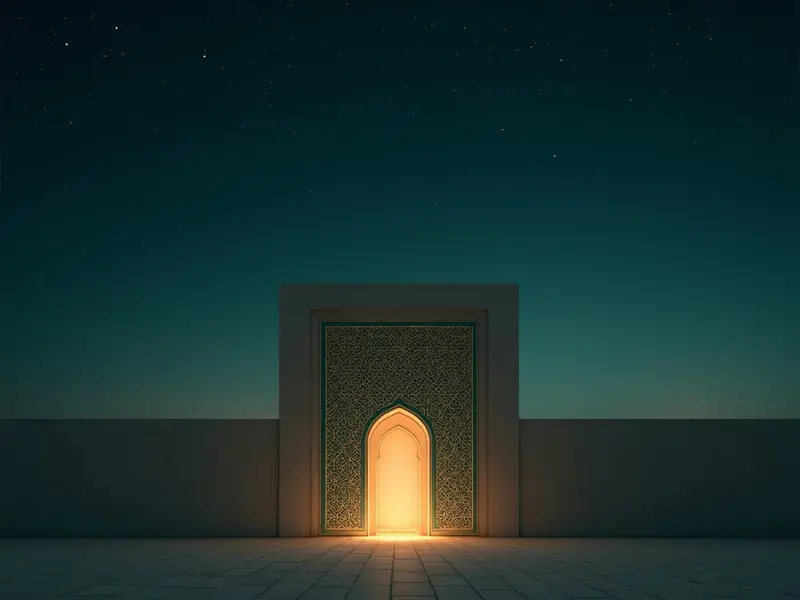
Islamic meaning of hajj pilgrimage in a dream
How the classical tradition of Ibn Sirin reads going on Hajj.
Dreaming of going on Hajj tends to sit among the more cherished dream images in the classical tradition, since the pilgrimage itself represents devotion, humility, and a returning to what matters most.
Early interpreters such as Ibn Sirin approached dreams as deeply personal, shaped by the dreamer's circumstances, character, and even the state of their heart. A dream of Hajj was often read as a gentle nudge toward sincerity, or as a reflection of a real longing already present in the dreamer's waking life.
The tradition also holds that good dreams are considered a kind of gift, a quiet reassurance rather than a promise of any specific outcome. The story of the Prophet Yusuf, whose early dream unfolded into meaning only after patience and time, is often remembered here as a reminder that a dream's fuller significance may reveal itself slowly.
Later scholars like An-Nabulsi expanded on these readings, sometimes connecting the details of the dream, such as arriving safely, wearing ihram, or standing at the Kaaba, to specific shades of meaning around forgiveness, relief, or a fresh start.
In the classical tradition
Read dreams of Hajj as generally favorable, often tied to sincerity of intention and nearness to what is good in the dreamer's life.
Explored specific details of the pilgrimage scene, such as ihram or arrival at the Kaaba, as carrying their own gentle shades of meaning.
Held that dreams of worship and pilgrimage were often received as comforting, without being treated as certain forecasts of the future.
Many in the tradition see this dream as encouraging, a sign of spiritual openness, renewed intention, or relief settling into the dreamer's life. It can feel like an inward invitation toward patience, gratitude, or a return to what feels most sincere and grounding.
Some classical readings gently caution that the meaning depends on the dreamer's own state and the details of the dream itself. It is not read as a guarantee of any outcome, and difficulty appearing within the dream was sometimes seen as reflecting present worries rather than anything to fear.
Frequently asked questions
›What does going on Hajj mean in a dream in Islam?
In the classical tradition, it is often read as a hopeful sign connected to sincerity, spiritual longing, or relief from hardship. Interpreters like Ibn Sirin generally viewed it favorably, though the exact meaning was always shaped by the dreamer's personal circumstances and the specific details of the dream.
›Is dreaming of Hajj considered a good sign?
Many classical interpreters leaned toward reading it as a good sign, since pilgrimage imagery is tied to devotion and purification. Still, the tradition treats dreams as personal and layered, so the same dream might carry a slightly different meaning depending on the dreamer's life.
›Did Ibn Sirin say anything specific about dreaming of Hajj?
Ibn Sirin is remembered for reading dreams of worship and pilgrimage with generally favorable meanings, often linking them to sincerity of heart and nearness to good outcomes. His interpretations were shared as guidance and reflection, not as fixed rulings.
›Does a Hajj dream predict something will happen in real life?
The tradition does not treat dreams as certain predictions. Good dreams are often described as a gift or gentle reassurance, something to sit with and reflect on, rather than a guaranteed sign of what is to come.