
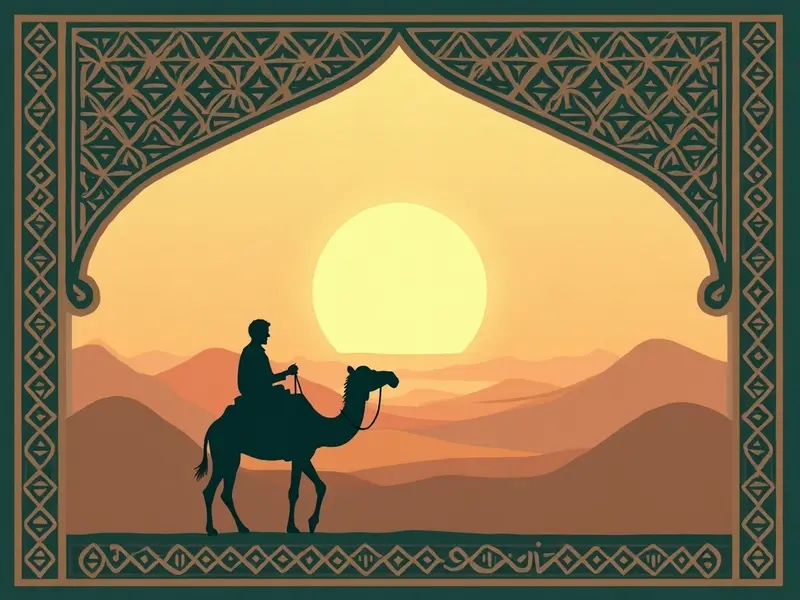
Islamic meaning of camel in a dream
How the classical tradition of Ibn Sirin reads a camel.
Across the classical Muslim dream tradition, animals were rarely read as random images. They were understood as symbols carrying meaning about the dreamer's life, character, or circumstances. The camel, being central to daily life, trade, and travel in the world where these interpreters wrote, was often linked to sustenance, patience, and the long road one walks toward a goal.
Ibn Sirin, one of the earliest and most respected voices in this tradition, is widely associated with reading the camel as a sign of provision and steady gain. A calm, healthy camel was often taken as a hopeful image, sometimes tied to good fortune arriving through patience rather than sudden luck. A camel that was wild, sick, or hard to control was traditionally read with more caution, perhaps pointing to some strain, delay, or a trial the dreamer would need patience to bear.
An-Nabulsi and later scholars in this same lineage tended to build on these themes, connecting the camel to a person's endurance, their reputation, or even a figure of authority or support in the dreamer's life. Riding a camel gently was often seen as a sign of being carried through a hardship or guided toward a goal. A camel that threw the dreamer, however, was sometimes read as a caution about pride or loss of steadiness.
It's worth remembering that within this tradition, the dreamer's own life, intentions, and the small details of the dream, such as color, mood, or setting, were always considered essential. No single meaning was ever treated as fixed or universal, and the same image could be read differently from one person to the next.
In the classical tradition
Often associated with reading the camel as a sign of provision, gain, and patient endurance, especially when the animal appeared calm.
Tended to connect the camel with steadiness, support, or a figure of authority, and read a difficult or unruly camel as a caution about strain.
Generally held that a camel's condition and behavior in the dream shaped whether it leaned toward a hopeful or a cautionary meaning.
Many classical readings lean hopeful. A calm or well-laden camel was often taken as a sign of coming provision, a successful journey, or steady support arriving in the dreamer's life. Riding one gently could suggest being guided safely through a difficult stretch, with patience being rewarded in due time.
Some classical interpreters read a wild, sick, or resistant camel more cautiously, as a hint of strain, delay, or a trial requiring patience. This was never treated as a fixed warning, simply a call to move through hardship steadily, without losing composure or trust along the way.
Looking for the everyday, psychological read too? See the general dream meaning of a camel →
Frequently asked questions
›What does a camel mean in a dream in Islam?
In the classical tradition, a camel is often linked to provision, patience, and travel. Ibn Sirin and later interpreters such as An-Nabulsi generally read a calm camel as a hopeful sign of gain or steady support, while a wild or troubled camel was read with more caution, pointing to strain that patience could ease.
›Is dreaming of a camel a good sign in Islam?
It is often considered a favorable sign within the classical tradition, especially when the camel appears calm, healthy, or carrying goods. Good dreams are generally regarded in this tradition as a welcome gift, though interpreters always weighed the dreamer's own circumstances alongside the image itself.
›What does riding a camel in a dream mean in Islamic tradition?
Riding a camel gently was often read as being carried safely through a hardship or guided toward a goal, sometimes suggesting support from another person. A camel that threw or resisted the rider was sometimes read as a caution about pride, instability, or a need for more patience.
›Does a camel in a dream relate to a story in the Quran?
The camel is not tied to a specific named Quranic dream narrative the way Prophet Yusuf's dream is. Still, some in the tradition connect the camel's symbolism of patience and provision to the wider spirit of trust in God's timing found throughout Islamic teaching.