
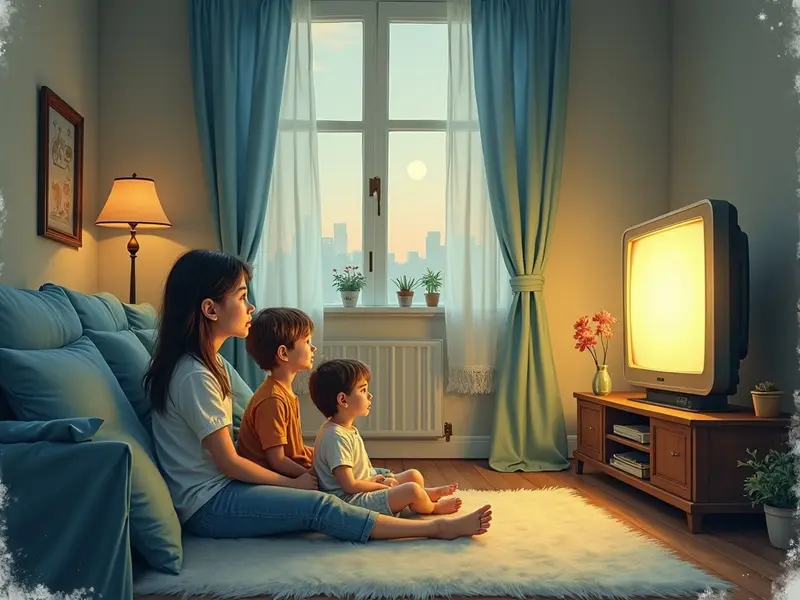
Tv at night dream: what does it mean?
Tv at night, as a dream image, adds a layer of stillness and solitude that a daytime television scene doesn't carry, pointing more toward your inner nighttime state than the show itself.
Dreaming of “television” with a detail
Unlike a plain television dream, which often centers on the content or message being watched, tv at night shifts the focus to the hour and the quiet around you. The dark room, the glow of the screen, the sense that everyone else might be asleep — these details suggest your mind is processing something during hours when you're usually left alone with your thoughts.
This dream often surfaces when you've been staying up later than you'd like, scrolling or watching to delay sleep, or sitting with worries that feel louder once the house goes quiet. The TV can act as a stand-in for background noise you reach for so you don't have to face silence directly.
This dream can mean you're finally giving yourself permission to slow down and unwind, even if it's late. It may also reflect comfort-seeking in a healthy way — using something familiar to soothe yourself during a restless or overstimulated stretch of days.
It may point to trouble winding down, screen habits that eat into your sleep, or using noise to avoid quiet thoughts that need attention. If the dream feels tense or lonely, it might be nudging you to look at what you're avoiding once things get still.
More like this: all dreams about technology and the internet →


Frequently asked questions
›Why do I keep dreaming about watching TV late at night?
This often shows up when your sleep schedule is irregular or your mind is overstimulated before bed. The dream may simply be echoing a real habit, or reflecting a need to quiet racing thoughts once the day's distractions fall away.
›Does dreaming about TV at night mean I'm lonely?
Not necessarily, but the imagery can point to solitude, especially if the dream feels empty or too quiet. It may reflect a season where you're spending more evenings alone than usual, rather than loneliness itself.
›Is a nighttime TV dream different from a regular TV dream?
Yes. A daytime TV dream usually centers on the message or story on screen, while a nighttime version leans more into mood — stillness, insomnia, or the comfort of noise when everything else has gone quiet.