
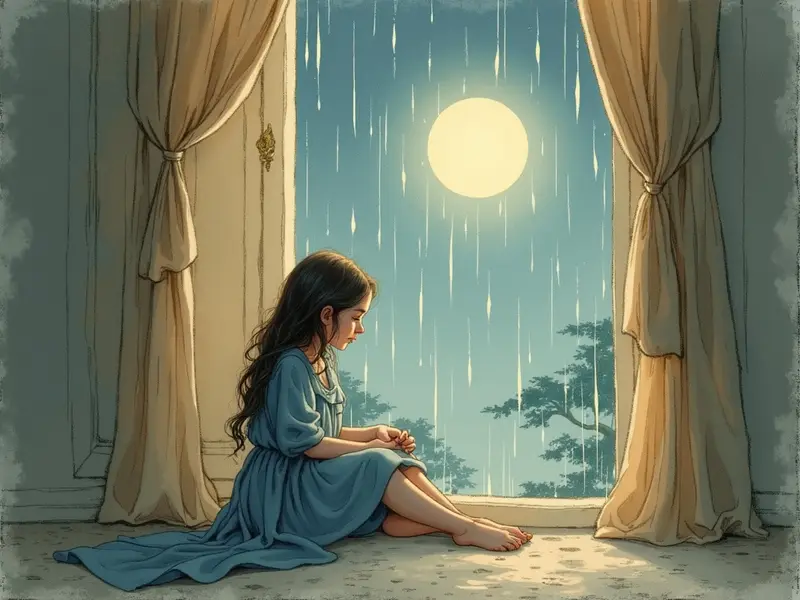
Sadness dream: what does it mean?
Sadness in a dream can feel heavy even after you wake up. This entry looks at what that feeling might be telling you, and why it shows up now.
Dreaming of “sadness” with a detail
Sadness in dreams rarely predicts something bad happening. More often, it's your mind's way of processing emotions from the day, from a memory, or from something you haven't had time to sit with while awake. Dreams give feelings room to move that daily life doesn't always allow.
The context matters. Crying over a lost pet, an old friend, or a childhood home often points to a real transition you're adjusting to. Sadness with no clear cause might be your subconscious flagging stress, exhaustion, or a small grief you've been too busy to notice.
Sometimes this dream shows up during a season of change, like a move, a breakup, or a milestone birthday. The mind uses sadness as a gentle signal that something is shifting, even if the shift itself is a good one.
It can also appear after you've been holding things together for other people. Dream sadness sometimes surfaces the feelings you've been setting aside so you could stay strong during the day.
If the sadness in your dream feels like relief, a good cry, or release, that's often a healthy sign. It suggests your mind is working through something and letting it go. Many people wake up from these dreams feeling lighter, calmer, or more at peace than before.
Watch for a heaviness that lingers for days after the dream, or the same sad scene repeating often. That pattern can be a nudge to check in on your emotional load and consider talking to someone you trust about what's really weighing on you.
Spiritual, biblical & cultural meaning
In a spiritual sense, some see dream sadness as a form of release, tears doing quiet work the waking mind resists. In Christian tradition, sorrow is often described as something God is close to, a season to move through rather than fear. Others view it simply as the soul processing loss gently.
More like this: all dreams about danger, emotions and events →


Frequently asked questions
›Does dreaming about sadness mean something bad will happen?
No. Sadness in dreams almost always reflects emotions already present in your life, not a warning about the future. It's your mind's way of processing feelings, not predicting events. Most people find the dream relates to something recent or unresolved rather than anything ahead.
›Why do I keep dreaming that I'm crying?
Recurring crying dreams often mean an emotion needs more attention than you've been giving it during the day. It could be grief, stress, or disappointment you've set aside. The dream repeats until the feeling gets acknowledged, so gently reflecting on recent events can help it ease.
›What does it mean to dream about someone else being sad?
This often reflects your own concern for that person, or a feeling you associate with them. Sometimes it shows worry about their wellbeing. Other times, the sad person represents a part of yourself, especially if they resemble how you've been feeling lately.
›Is it normal to wake up sad after a dream?
Yes, this is common and usually fades within an hour or so. Dream emotions can feel very real because the same brain regions are active as in waking life. If the sadness lingers all day regularly, it may be worth mentioning to a doctor or counselor.
›Can dreaming about sadness actually help me feel better?
Often, yes. Many therapists note that dreams give the mind a private space to process difficult feelings. Waking up having 'released' sadness in a dream can genuinely lighten your mood, similar to how a good cry sometimes helps in real life.