
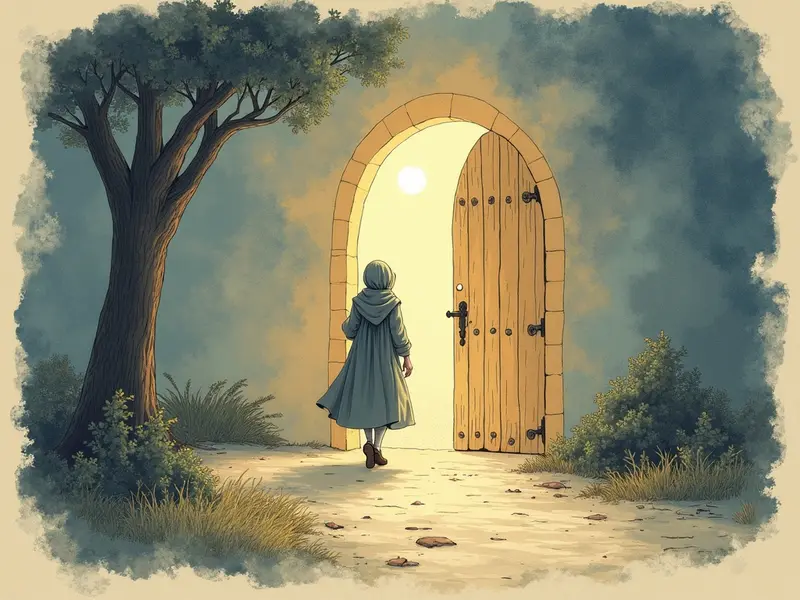
Return at home dream: what does it mean?
Return at home dreams put the focus squarely on your house, family, or hometown, rather than a vague return to any place, making the meaning more personal and rooted in identity.
Dreaming of “return” with a detail
A plain return dream can be about anything, a job, a city, a relationship. Adding 'at home' narrows it. Home carries specific weight: comfort, belonging, maybe old rules or old versions of you. Your mind is pointing at that particular emotional address, not somewhere neutral.
This often shows up when you're between chapters, after a move, a breakup, a big life change, or simply a stretch of feeling unmoored. The dream brings you back to the place that once meant safety, checking whether that safety still holds or needs redefining now that you've grown.
If the homecoming feels warm, it suggests you're in a settled place emotionally, at peace with your roots, or successfully integrating who you were with who you are now. It can also mean real support is available to you currently.
If the house feels wrong, shrunken, or unwelcoming, it may reflect worry that home isn't the refuge it used to be, or that you've outgrown it. It can also point to unresolved family tension quietly asking for attention.
More like this: all dreams about danger, emotions and events →

Frequently asked questions
›Why do I keep dreaming about returning home?
This usually means part of you is seeking stability or reconnecting with your roots. It often appears during transitions, when you're missing familiarity, or processing changes in your family or living situation.
›Does dreaming of returning home mean I should visit my family?
Not necessarily. It more often reflects an emotional need for comfort or belonging rather than a literal instruction. Still, if the dream stirs a genuine longing, reaching out could feel good.
›What does it mean if home looks different in the dream?
A changed or unfamiliar home usually mirrors how much you've grown or how your sense of security has shifted. It's common after big life changes, and it gently reflects adjustment, not warning.