
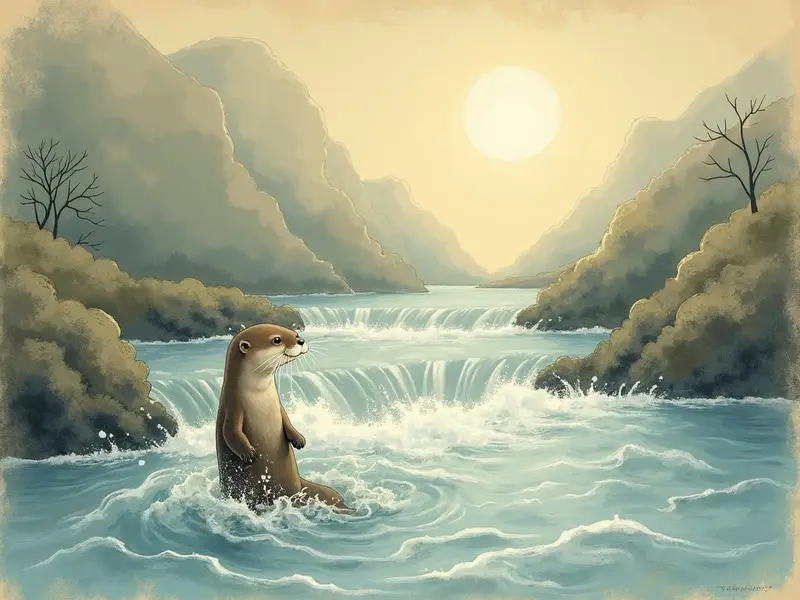
Otter dream: what does it mean?
An otter slipping through water in a dream tends to carry a warm, buoyant feeling. It often shows up when your waking life could use more play, connection, or emotional flow.
Dreaming of “otter” with a detail
Otters are known for their playfulness, curiosity, and closeness to others, and dreams often borrow those qualities to reflect something about your own state of mind. Seeing an otter can be a sign that part of you is craving more lightness or joy, especially if life has felt heavy or overly serious lately.
Because otters move so easily through water, they can also represent emotional flexibility. Water in dreams often stands for feelings, and an otter gliding through it without struggle may suggest you're finding a comfortable way to handle your own emotions, rather than getting stuck in them.
Otters are also social animals that often appear in pairs or groups, holding hands while they float so they don't drift apart. This can point to a bond in your life, romantic or otherwise, where affection and companionship feel natural and secure.
If the otter was playing, swimming freely, or interacting with you in a friendly way, the dream likely reflects contentment and ease. If it seemed distressed, trapped, or alone, it may be highlighting a place in your life where you're craving more freedom, comfort, or connection.
A calm, playful, or curious otter often signals emotional balance, healthy relationships, and a season where joy comes easily. It can suggest you're adapting well to change, staying lighthearted under pressure, or enjoying closeness with people you trust.
An otter that seems trapped, frightened, or separated from its group may point to feelings of isolation or a longing for more fun and connection in your day-to-day life. It can also hint that you're being too hard on yourself and could use more gentleness.
Spiritual, biblical & cultural meaning
In a spiritual sense, some see otters as a reminder to trust the current of life rather than fight it, echoing themes of surrender found in many faith traditions. Others connect water-dwelling animals to renewal, since water is often a symbol of cleansing and grace in spiritual and biblical thought.
More like this: all dreams about animals →

Frequently asked questions
›What does it mean to dream about an otter swimming happily?
A happy, swimming otter usually reflects contentment and emotional ease in your waking life. It often shows up when you're adapting well to change or enjoying a season of lighthearted connection with people around you.
›What does it mean if the otter in my dream seemed scared or trapped?
A frightened or trapped otter may point to a part of you that feels boxed in or disconnected from joy and freedom. It can be a gentle sign to make more room for play, rest, or support from people you trust.
›Does dreaming about otters relate to relationships?
Yes, often. Since otters are social and affectionate, dreaming of them can reflect a bond that feels warm, playful, or secure, such as a close friendship, family tie, or romantic relationship in your life right now.
›Is an otter dream a sign of good luck?
Otter dreams aren't a prediction, but they're generally seen as a comforting sign. They tend to reflect emotional balance, playfulness, and ease rather than warning of anything negative.
›What does it mean to dream about baby otters?
Baby otters in a dream often relate to new beginnings, innocence, or a playful, tender side of yourself or a relationship. It can also reflect nurturing feelings or excitement about something new and growing in your life.