
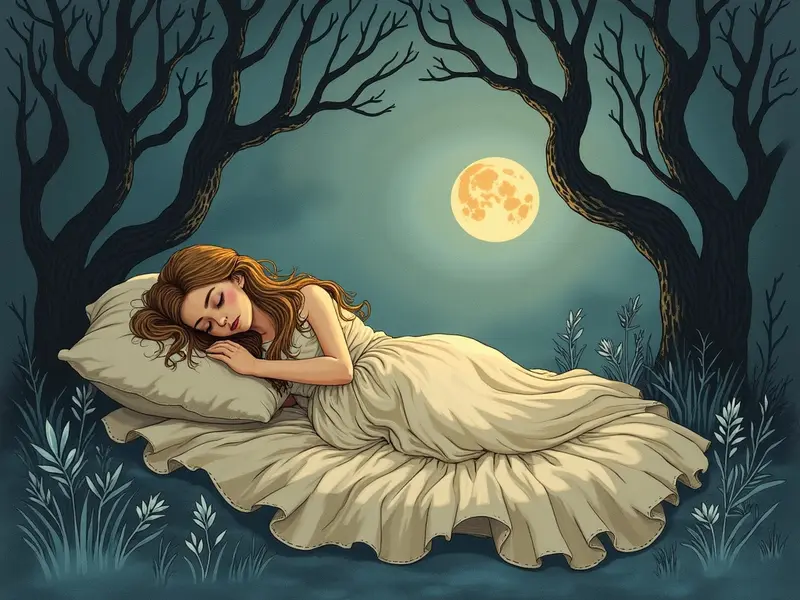
Old nightmare dream: what does it mean?
An old nightmare in a dream is one you recognize, a scary scenario you've had before. That familiarity is the key difference from a brand-new nightmare.
Dreaming of “nightmare” with a detail
A plain nightmare can come from anywhere, a random stress or a new fear your mind is testing out. An old nightmare is different because you know it. You've been here before, maybe years ago, maybe as a kid, and now it's back on the same track.
This usually means something happening now feels emotionally similar to that earlier hard time. The old fear never fully finished its business with you, and a current stress, worry, or change has jostled it loose again.
Recognizing an old nightmare is actually useful. It means your mind is pointing to a specific, nameable wound instead of a vague anxiety. That clarity can help you notice patterns in your life and finally address something you've been avoiding for a long time.
If the old nightmare keeps returning night after night, it may mean the original fear or hurt still has real weight for you. Pay attention to what feels unresolved, not to alarm you, but because naming it often takes away some of its power.
More like this: all dreams about danger, emotions and events →

Frequently asked questions
›Why do old nightmares come back after years?
They tend to resurface when current stress feels emotionally similar to the original situation. Your mind isn't malfunctioning, it's noticing a pattern and trying to help you deal with it more fully this time around.
›Does an old nightmare mean unresolved trauma?
Not necessarily trauma in a clinical sense, but it often points to an old fear or hurt that never got fully worked through. It's worth gentle reflection, not worry, and talking to someone you trust can help.
›How is an old nightmare different from a regular nightmare?
A regular nightmare can be new material your mind invents from current stress. An old nightmare is a repeat, a scenario you recognize from before, which usually signals a longstanding fear rather than a fresh one.