
Late payment dream: what does it mean?
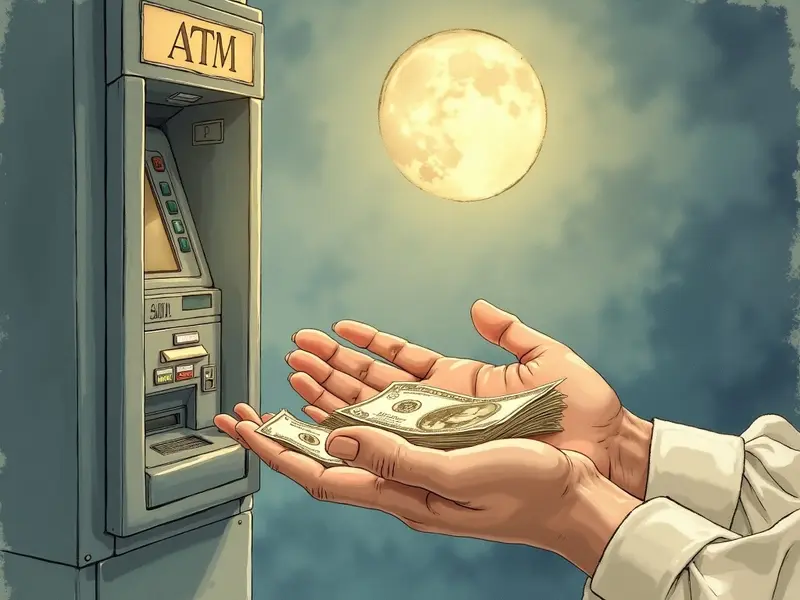
A late payment dream centers on the gap between when you expected money and when it actually shows up, adding a layer of anxious waiting to the usual paycheck symbolism.
Dreaming of “paycheck” with a detail
A plain paycheck dream is mostly about earned worth. A late payment dream adds tension: something you counted on hasn't arrived yet, and that gap is doing the emotional work. It often surfaces when a bill, a promised raise, a decision from someone else, or a project's payoff is dragging out longer than you'd like.
This dream can also point to a feeling of being caught in someone else's timeline. You did your part, but you're stuck waiting on a boss, client, school, or system to follow through. The 'lateness' is really about a loss of control over when things get resolved.
If the payment eventually arrives in the dream, or you stay fairly calm while waiting, it suggests you trust things will work out even on a slower timeline. It can reflect patience you're building, or confidence that your effort will be recognized eventually.
If the wait feels frustrating, humiliating, or makes you panic about other bills, it may point to real anxiety about being financially behind or unseen for your work. It can also reflect frustration with someone who keeps making you wait on promises.
More like this: all dreams about work, money and school →


Frequently asked questions
›What does a dream about a late paycheck mean?
It usually means you're feeling behind or unsure whether support, money, or recognition will come through on time. It often shows up during real waiting periods, like pending raises, late bills, or slow-moving decisions at work.
›Is a late payment dream a bad sign?
No. It's not a warning about actual finances. It's your mind processing stress about delay and uncertainty, especially if you're currently waiting on someone else to follow through on something important.
›Why do I keep dreaming about payments being late?
Repeated dreams like this often mean the underlying worry hasn't been resolved yet. It can help to identify one concrete step you can take, like following up on an overdue payment or asking for a timeline, to ease the uncertainty.