
An elk dream: what does it mean?
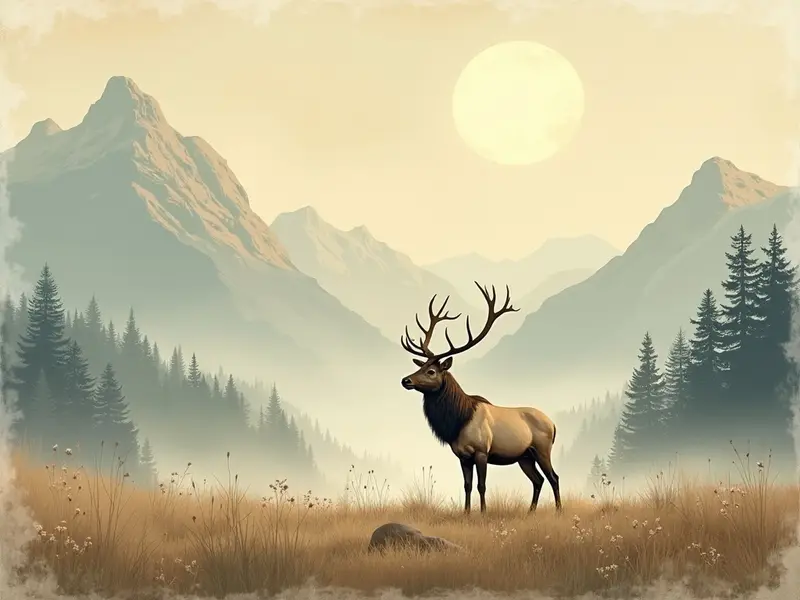
An elk stepping into a dream tends to feel like a moment of stillness and awe. This creature's size and calm bearing usually mirror something steady growing inside you right now.
Dreaming of “an elk” with a detail
Elk are among the largest, most composed animals in the American wilderness, and dreams tend to borrow that composure. If an elk appeared calm and simply present, your mind may be reflecting a season where you feel more grounded, more sure of your own worth, even if daily life still feels busy or uncertain.
Because elk are also associated with mating season displays, territory, and hierarchy, this dream can surface when you're navigating status, respect, or leadership somewhere in your waking life. A job, a family role, or a relationship where you're quietly asserting yourself can all show up as an elk.
The setting matters too. An elk in open, misty terrain often speaks to clarity and space you're craving. An elk that feels blocked from you, behind a fence or far off in the trees, may point to a strength or freedom you sense but haven't fully claimed yet.
Overall, this is usually a hopeful animal to dream about. It rarely signals danger. More often it's your own psyche reminding you that you're steadier, more capable, and more worth taking seriously than your everyday worries suggest.
An elk standing calm and close in a dream often reflects real confidence taking root, a sign you're feeling more solid in who you are. It can suggest respect you've earned, a leadership moment ahead, or simply the quiet reassurance that your instincts and pace are trustworthy right now.
If the elk felt distant, wounded, or hard to reach, it may point to strength or confidence you're not yet letting yourself use. Watch for moments where you shrink to keep the peace, or hold back opinions out of fear of taking up too much space in a room.
Spiritual, biblical & cultural meaning
Many Native American traditions honor the elk as a symbol of stamina, gentleness paired with power, and pride that never turns to arrogance. In a biblical sense, some readers connect large, sure-footed animals like the elk with Psalm imagery of strength given by God, quiet confidence rather than force.
More like this: all dreams about animals →
Frequently asked questions
›What does it mean to dream about an elk staring at you?
An elk locking eyes with you in a dream often feels less like a threat and more like recognition. It can suggest a part of yourself, your strength, patience, or dignity, is asking to be acknowledged. Consider what area of your life needs you to stop looking away and simply own your steadiness.
›Is dreaming about an elk a good sign?
Generally, yes. Elk dreams tend to carry calm, confident energy rather than fear. They often show up during times of personal growth, new responsibility, or a season where you're finally standing your ground. Pay attention to how the elk behaved for the fuller picture, but the animal itself is a reassuring symbol.
›What does it mean to dream of being chased by an elk?
Being chased usually points to a strength or responsibility you're avoiding rather than actual danger. Elk aren't natural predators, so this dream often reflects pressure to step into confidence or leadership you've been putting off, not a real threat coming toward you.
›Why do I keep dreaming about the same elk?
A recurring elk often represents an ongoing invitation from your subconscious, usually about patience, self-respect, or growth you're in the middle of. Repeated dreams tend to settle once the underlying feeling, often confidence or acceptance, gets resolved in waking life.