
Christmas lights dream: what does it mean?
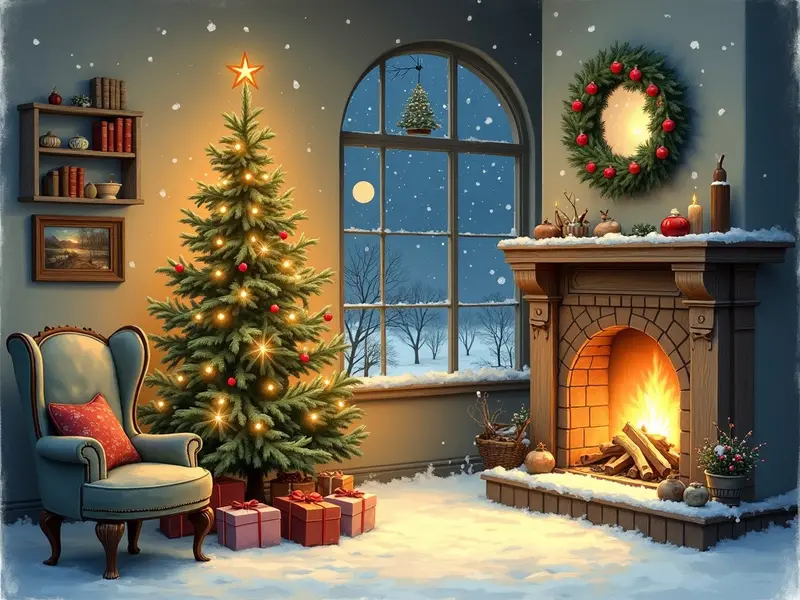
Christmas lights in a dream tend to represent small, steady points of hope, the kind that make a dark stretch feel a little more bearable.
Dreaming of “Christmas” with a detail
Bright, warmly glowing lights in a dream often mirror genuine hope, comfort, or gratitude for the good things quietly present in your life, even during a hard season. They can also represent guidance, something lighting the way forward.
Flickering, broken, or burnt-out lights may point to fading hope or a fear that something meaningful is dimming, a relationship, an opportunity, or your own energy and optimism right now.
Steady, glowing lights often reflect real hope, comfort, and a sense that good things, however small, are present and worth noticing in your life right now.
Lights that flicker, go dark, or won't turn on may point to fading motivation or hope in some area of your life, worth gentle attention rather than worry.
More like this: all dreams about people and relationships →
Frequently asked questions
›What does it mean to dream about tangled or broken Christmas lights?
This often reflects feeling overwhelmed or stuck, like something that should bring joy or connection currently feels complicated or hard to untangle in real life.
›What does a dream about a house covered in Christmas lights mean?
This can suggest abundance, celebration, or a wish to feel more festive and connected, sometimes reflecting a desire to bring more warmth or joy into your home life.