
Dreaming of Fire, Smoke, or Orange Skies? What the Wildfire Smoke Crisis Is Doing to Your Dreams
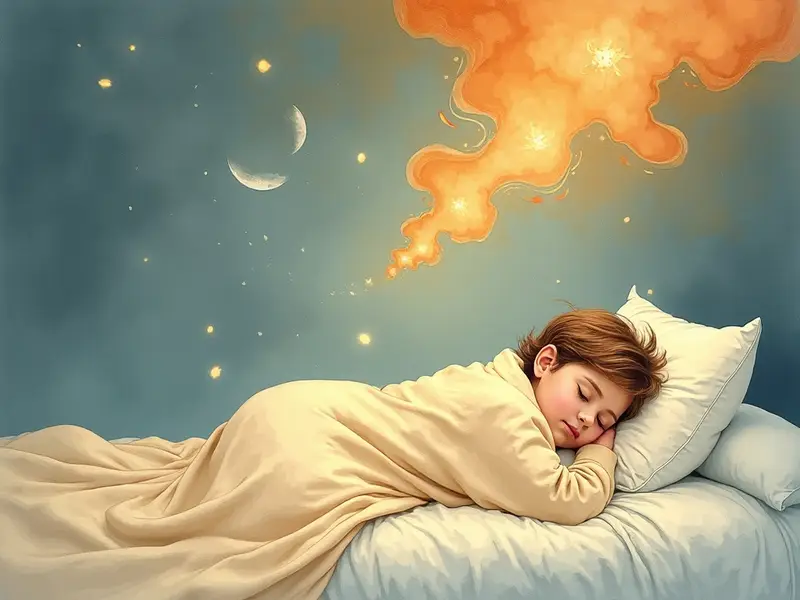
You wake up gasping, throat tight, the sky in your dream glowing an impossible orange. Then you notice the real sky outside looks almost the same. Across smoke-choked American cities this summer, people are reporting stranger, more breathless dreams, and there are real reasons why.
Why Wildfire Smoke Season Is Getting Into Your Dreams
Summer 2026 has already brought the kind of hazy, amber-tinted skies that make you stop and stare out the window. Wildfires in the United States had burned nearly double the ten year average acreage for early season fires, and forecasters warned that a developing El Niño pattern could push conditions further, with the AccuWeather summer forecast projecting above average heat from California to New England and particularly smoke heavy fire activity in the Northwest and Great Basin. Smoke from wildfires does not stay near its source. It drifts for thousands of miles, so a fire burning in a remote part of Canada can turn the sky over Minneapolis or New York a dull orange days later.
None of this is only a daytime problem. Air quality forecasters at the Minnesota Pollution Control Agency projected an active air quality season for 2026 similar to 2024, with roughly two full weeks of smoky skies expected from wildfire smoke drifting in from western Canada and the western United States. When smoke settles over a region for days at a time, it does not politely wait outside your bedroom window. It seeps in, and your sleeping brain notices.
It makes sense that a body breathing slightly thinner, slightly irritated air overnight would produce a slightly different kind of dream. Nightmares, vivid fire imagery, and dreams of being trapped in smoke are not random. They tend to follow real physical cues your body is picking up while you sleep, even if you never fully wake up to register them consciously.
The Science: How Smoky Air Actually Changes Your Sleep
Wildfire smoke does measurable things to the body overnight. Research published in the journal Sleep found that exposure to wildfire smoke PM2.5 was associated with a 7.2 percent decrease in sleep efficiency and a significant increase in nighttime awakenings, with the effect appearing even at moderate smoke levels around AQI 51 to 100. In other words, you do not need a full blown red alert day for smoke to chip away at your rest. The study also found the relationship was dose dependent, meaning worse air quality reliably meant worse sleep.
A lot of this comes down to simple mechanics. Breathing in fine particulate matter can lead to coughing, wheeling, and difficulty breathing, all of which can disrupt sleep, and the irritation does not always resolve the moment your head hits the pillow. Indoor air is not automatically safe either. Older homes with more air leakage can see indoor particulate levels approach outdoor concentrations, which means your bedroom air during a smoke event is often worse than it looks or smells.
There is also a subtler disruption happening to your internal clock. During heavy smoke events, the sun can be obscured by thick haze, resulting in diminished natural light, and because our circadian rhythm depends partly on that daily rise and fall of sunlight, this lack of light can confuse the body's internal clock and make it harder to fall asleep or wake up at the usual time. A study on wildfire survivors also found that those who were affected more severely by smoke scored higher on measures of insomnia, nightmares, and PTSD symptoms, with poorer sleep quality overall.
Layer stress on top of the physical effects and you get a fuller picture. Knowing there is a wildfire or a smoke advisory nearby can be stressful on its own, and that stress, combined with genuine breathing discomfort, is exactly the kind of combination sleep researchers associate with more anxiety, more insomnia, and more nightmares.
What Fire Actually Means in a Dream
Long before wildfire smoke was a national headline, fire was already one of the most common images dream dictionaries and dream analysts wrote about. Many dream traditions treat fire as a symbol of intense feeling, most often anger, but also urgency and unfinished business, the sense that something in waking life needs tending to right away. A well known dream analyst has noted that fire in dreams is very often linked to anger and rage, and can also point to a burning passion for someone or something.
Fire is also closely tied to transformation. Older dream dictionaries describe fire's ability to illuminate and transform the dreamer as a kind of symbolic purification, the burning away of an old version of yourself to make room for something new. That is part of why a house on fire in a dream so often gets read as a sign of burnout rather than doom. The imagery is dramatic, but the underlying message dream analysts point to is usually about stress that has quietly built up to a breaking point, not a literal warning.
Context does most of the interpretive work. A small, contained fire in a dream, like a fireplace or a candle, tends to be read very differently than a raging, out of control blaze, with the size and intensity of the flames often mirroring the size and intensity of whatever emotion the dream is processing. Where the fire happens matters too. A fire in a childhood bedroom carries a different flavor than one sweeping through an entire town, since dream dictionaries often treat different rooms and settings as pointing toward different areas of a person's life.

What Smoke Adds to the Picture
If fire represents the raw emotional charge, smoke tends to represent everything that makes it hard to see clearly. Dream dictionaries commonly describe smoke as a symbol of confusion, obscured truth, or a situation you cannot quite get a clear view of, the dream equivalent of trying to find your way through a haze. Thick, choking smoke in particular is often linked to a feeling of being suffocated or stifled by responsibilities, expectations, or a situation that feels like it is closing in.
There is also a practical, almost literal thread running through smoke symbolism. Since smoke can physically block the lungs from getting enough oxygen, some dream interpreters read dream smoke as the mind's way of flagging a suffocating situation in waking life, an alarm bell dressed up in imagery. That reading feels especially fitting this summer, when actual smoke in the air may be doing something close to that to your breathing overnight.
Color tends to shift the tone of a smoke dream as well. Dark or black smoke is more often associated with warning or looming trouble, while lighter, thinner smoke or white smoke shows up in many dream traditions as a gentler symbol, something closer to release, clearing, or the tail end of a difficult feeling finally lifting. None of these readings are meant to be fixed rules. They are more like starting points for noticing what your own dream might be trying to sort through.
Eco-Anxiety, Orange Skies, and the Climate Dream
There is a newer thread of dream research and commentary looking specifically at climate anxiety and how it shows up at night. People who check environmental news right before bed tend to report more intense, apocalyptic climate dreams, which fits with what we know about how the brain processes recent information most heavily during REM sleep. If your evening scroll included headlines about smoke advisories or record breaking fire acreage, it is not surprising if that imagery resurfaces once you are asleep.
Common themes in these climate related dreams tend to repeat: natural disasters, apocalyptic landscapes, a rushed attempt to save something or someone, and a pervasive feeling of helplessness while things fall apart around the dreamer. Researchers studying eco-anxiety more broadly describe it as a future oriented worry about the potential impacts of climate change, distinct from grief over losses that have already happened, and note that younger adults tend to report the highest levels of this kind of concern.
An orange sky dream sits right at the intersection of the personal and the collective. It carries the same emotional weight dream dictionaries have long assigned to fire and smoke, urgency, transformation, confusion, danger, but it is also, quite literally, a picture many people have seen with their own eyes this summer. That overlap between a private dream symbol and a shared daytime reality may be part of why these dreams feel so vivid and so memorable right now.
Sleeping Better on Smoky Nights
The good news is that most of the physical triggers behind smoke related sleep trouble respond well to fairly simple steps. Health officials consistently recommend staying inside with windows and doors closed during smoke events, since these barriers help keep particulate matter outside your home and protect your lungs while you sleep. Running a HEPA air purifier in the bedroom is one of the most consistently recommended fixes, particularly for children, older adults, and anyone with asthma or another respiratory condition.
Checking the Air Quality Index before bed can help you decide how seriously to take precautions that night, since sensitive groups may start noticing effects once conditions reach the orange category. On the higher smoke nights, it is worth switching your HVAC system to recirculate mode rather than pulling in unfiltered outside air, and skipping anything that adds more particles indoors, like burning candles or incense.
Winding down matters just as much as clean air. Building in a slower bedtime routine, reading, a warm bath, some quiet breathing exercises, gives an anxious or smoke irritated body a better chance at settling before sleep, and keeping the bedroom free of late night news or social media scrolling can prevent a stressful headline from following you straight into REM sleep. If you wake in the night and cannot settle back down, getting up briefly for something calm and returning to bed once you feel drowsy again tends to work better than lying there watching the clock.
If a fire or smoke dream lingers with you into the morning, it can help to simply sit with it for a minute rather than brushing it off. Ask what felt most vivid, the flames, the smoke, the color of the sky, and whether that detail echoes something going on in your waking life right now. Treating the dream as a gentle prompt rather than a verdict tends to feel a lot less unsettling, and often a lot more useful.
See also in the dictionary
Frequently asked questions
›Why am I suddenly having more nightmares during wildfire smoke season?
Poor air quality can irritate your airways and disrupt sleep architecture overnight, and research links heavier smoke exposure to higher rates of insomnia and nightmares. Combined with the stress of watching smoke advisories, this makes vivid or anxious dreams more common during smoky stretches.
›What does it mean to dream about an orange sky?
Dream traditions often treat sky color and fire imagery as reflecting urgency, big emotions, or a looming change. An orange sky dream may also simply echo something you have seen firsthand this summer, since real skies have turned that color during smoke events.
›Does dreaming about smoke always mean something bad is coming?
Not necessarily. Dream dictionaries usually read smoke as confusion or unclear circumstances rather than a fixed warning. Lighter, thinner smoke is often read more gently, closer to release or things starting to clear, while thick black smoke leans toward feelings of being overwhelmed.
›Can bad air quality actually affect sleep, or is it just stress?
Both play a role. Studies show wildfire smoke particulate matter is linked to reduced sleep efficiency and more nighttime awakenings on its own, and the added stress of a nearby wildfire or smoke advisory compounds the effect, making poor sleep and nightmares more likely.
›What can I do to sleep better on a smoky night?
Keep windows and doors closed, run a HEPA air purifier in the bedroom, and switch HVAC to recirculate mode. Pair that with a calming bedtime routine and avoiding late night news to help both your lungs and your mind settle before sleep.
- Saatva: The Sleep and Health Effects of Wildfire Smoke
- Sleep journal study via Mattress Miracle: Wildfire Smoke and Sleep
- ScienceDirect: Prevalence and Predictors of Sleep and Trauma Symptoms in Wildfire Survivors
- mindbodygreen: 9 Interpretations of Dreaming About Fire, From a Dream Expert
- DreamSwan: Climate Anxiety Dreams
- Minnesota Pollution Control Agency: A Smoky Summer Ahead
- Nature World News: Orange Skies Return, Wildfire Smoke 2026