
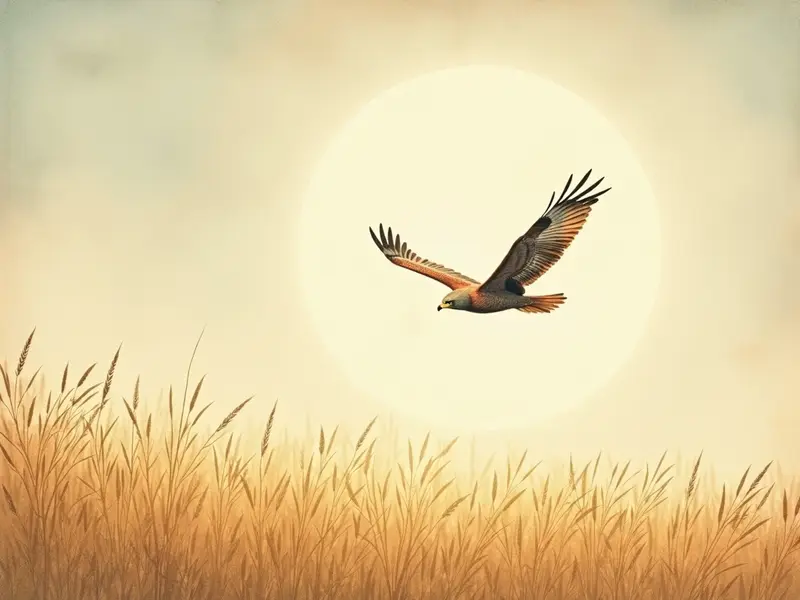
Old hawk dream: what does it mean?
An old hawk in a dream shifts a plain hawk's sharp focus into something seasoned by time, hinting at wisdom, fatigue, or instincts that have quietly aged alongside you.
Dreaming of “hawk” with a detail
A plain hawk usually means clear sight, quick judgment, or a need to focus on what matters. Adding 'old' changes the story: this isn't fresh alertness, it's instinct that's been tested by years. The dream may be pointing to a skill, a habit of watchfulness, or a protective instinct you've carried for a long time.
Sometimes an old hawk reflects a mentor, parent, or older part of yourself that once kept sharp watch over your life but is now weary. It can also mean you're leaning on experience rather than raw energy to get through something, trusting what you've learned instead of pushing harder.
This dream can mean your instincts are more trustworthy than you give them credit for. You've earned a kind of quiet expertise, and the old hawk suggests you can rely on it now, even if it feels less flashy than it once did.
It may also gently flag exhaustion, a sense that the vigilance you've kept up for years is wearing thin. If the hawk looked weak or struggling, it could mirror worry about losing sharpness, energy, or control over something you've long protected.
More like this: all dreams about animals →
Frequently asked questions
›What does it mean to dream of an old hawk instead of a young one?
An old hawk shifts the focus from sharp new instincts to hard-earned wisdom. It often suggests you're drawing on years of experience rather than fresh energy, or that a long-standing watchfulness in your life is starting to feel tired.
›Does an old hawk in a dream mean something bad is coming?
Not at all. It doesn't predict misfortune. It more often reflects your own feelings about aging instincts, tiredness, or trust in experience over impulse, not an outside warning.
›Why would I dream about a hawk that looks weak or old?
This can mirror worry about losing energy, sharpness, or control over something you've protected for a long time. It's a gentle nudge to check in on your own reserves, not a sign of real danger.