
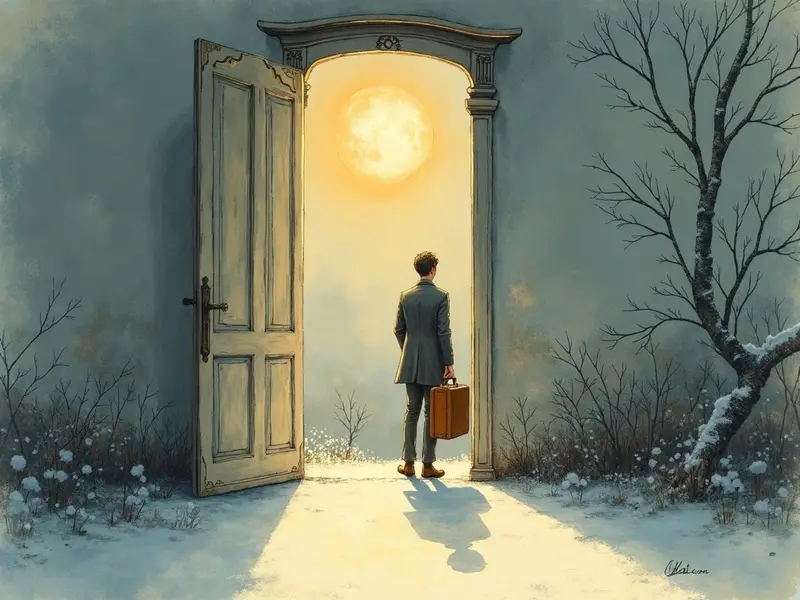
Dead husband dream: what does it mean?
A dead husband dream shifts the meaning away from ordinary marriage themes and toward loss, memory, or the fear of losing what he represents in your life.
Dreaming of “husband” with a detail
When your husband is alive, this dream rarely predicts anything happening to him. More often it reflects anxiety about change, distance, or the fear of losing his presence, attention, or the security he provides. Sometimes it shows up during stressful times when you're worried about the relationship shifting.
When your husband has actually passed, dreaming of him this way is one of the most common and normal parts of grieving. It can bring up unresolved conversations, tender memories, or simply your mind's way of keeping the connection alive. Many people describe these dreams as comforting rather than upsetting.
These dreams often show how deeply the bond mattered, alive or not. If the dream felt peaceful or loving, it may reflect resolution, gratitude, or a comforting sense that the connection continues in some form.
If the dream left you shaken, it may point to fear of change, unspoken worries about the marriage, or grief that still needs space to be felt. This is a sign to be gentle with yourself, not a warning about the future.
More like this: all dreams about people and relationships →


Frequently asked questions
›Does dreaming my husband is dead mean something bad will happen to him?
No. This dream almost never predicts real events. It usually reflects emotional worries, like fear of loss or change, rather than anything about his actual health or safety.
›Why do I keep dreaming about my husband who already passed away?
This is a common and healthy part of grief. Your mind often revisits comforting or unresolved moments, especially during anniversaries, stress, or times you miss his presence.
›Is it normal to feel comforted instead of scared in this dream?
Yes, very normal. Many people describe visits from a deceased spouse as peaceful, warm, or even healing, which often reflects love and closure rather than distress.