
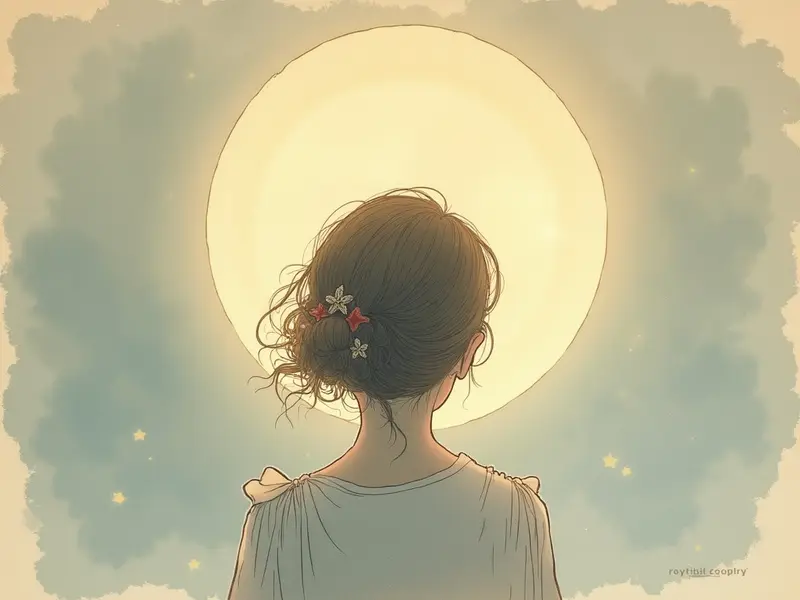
Back of head dream: what does it mean?
The back of your head in a dream often stands for what you can't see coming. It's the part of yourself turned away from view, hinting at hidden worries or things happening just out of sight.
Think about how the back of your head works in real life: you can't see it without a mirror, and you rely on trust that nothing bad is sneaking up on you there. Dreams that focus on this spot often tap into that same vulnerability. Your mind may be pointing to a blind spot, something in your waking life you haven't examined closely enough, or a situation where you feel exposed without realizing it.
This symbol can also relate to trust. The back of the head is a vulnerable place, one you can't defend on your own. If your dream involves someone touching, hitting, or staring at the back of your head, it may reflect concerns about being talked about, undermined, or judged by people who aren't being upfront with you.
Sometimes this dream is simply about self-awareness. You might be sensing that there's a part of your personality, a habit, or a pattern you keep overlooking, something everyone else notices before you do. The dream nudges you to turn around, metaphorically, and take a fuller look at yourself.
Physical sensations in the dream matter too. A dull ache, a strange lump, or unexpected hair loss at the back of the head can simply be your brain processing bodily awareness, or it can symbolize stress you're carrying without consciously naming it.
If the dream feels neutral or even comforting, it may simply mean you're becoming more self-aware, noticing blind spots before they cause real trouble. It can also reflect a healthy instinct to check in on relationships or situations where you've felt slightly out of the loop, which is a sign of good intuition at work.
If the dream leaves you uneasy, it may be worth noticing where in life you feel unseen, unprotected, or unsure who has your back. It can also point to a nagging sense that something important is being hidden from you, even if you can't name what yet. Try not to assume the worst; use the feeling as a gentle prompt to look closer.
Spiritual, biblical & cultural meaning
In a spiritual sense, some see the back of the head as a symbol of hidden guidance or things unfolding behind the scenes, matters not yet ready to be revealed. A few faith traditions connect the back of the body with humility or surrender, trusting a path you cannot fully see. It's less about warning and more about quiet trust.
More like this: all dreams about body and health →


Frequently asked questions
›What does it mean to dream about pain in the back of your head?
This often reflects stress or pressure you've been carrying without fully acknowledging it. Since you can't see the back of your head, the pain may symbolize a worry sitting just behind your awareness, something affecting you more than you've admitted, even to yourself.
›Why did I dream someone hit me in the back of the head?
This is a common way the mind expresses feeling blindsided or betrayed. It doesn't predict an actual event; it usually reflects a real-life situation where you felt caught off guard, undermined, or unprepared for criticism from someone you trusted.
›What does it mean to dream about hair loss on the back of your head?
This can symbolize a fear of losing control over how others see you, or worry about aging and vulnerability. It may also reflect stress your body is processing, since hair and head dreams often connect to self-image and confidence rather than a literal health concern.
›Does dreaming about the back of my head mean someone is talking about me?
Not necessarily, but the dream often mirrors a real feeling of being discussed or judged without your knowledge. It's less a literal prediction and more a sign that you're sensing tension or distance in a relationship worth paying gentle attention to.
›What does it mean to see the back of someone else's head in a dream?
This can suggest that a person in your life feels distant, unreadable, or turned away from you emotionally. It may point to a relationship where communication feels one-sided, or where you wish someone would face you more openly.